Today was an interesting start with our beginning lecture on politics. We of course learned a new word today which was uitwaaien, meaning to go outside and clear ones mind. I like this word since i’ve lately been taking short breaks after my long excursions and going for small walks to think about my day.
It was interesting to focus on politics today in class as it made me think strongly about the country and what they strive for. The Netherlands has such a strong past with protestantism and holding the monarchy, yet other aspects in politics seem to also go against this religious system. Once again it all comes back to the Netherlands being a country of tolerance. Aside from the rich history of the Orange dynasty and the battle against catholic Spanish rule there are other things that the Netherlands identifies with nowadays. Wijnand Mijnhardt explains this in his work A tradition of Tolerance. “ dutch citizens consider permissiveness and tolerance as essential parts of their self-image and identity…The seventeenth century, the Dutch Golden Age, is seen to supply a great deal of corroborative evidence for this belief. At that time, the Dutch republic was the only country in which freedom of conscience was enshrined in the law, resulting in the influx of refugees of all possible religious backgrounds.” (pg. 13)
Although Mijnhardt explains this new identity the Dutch are attached to, what about their true historical and cultural traditions. With the Netherlands receiving constant growth with immigration will they eventually lose their roots? Expansion of new political standpoints put pressure on the government. Political parties such as the Democraten 66 has quite a strong number of seats in the Second chamber. They support the idea of a full democracy without a monarchy. With enough votes and seats in power could the Monarchy actually be lost? Yet, other parties also show unorthodox Dutch ideas such as the Partij door de Vrijheid doesn’t want to be connected within the EU, and is Anti-Islam. The Netherlands has always been a country of refugees and immigrants starting new lives. Perhaps it was always in the Dutch best interest because they profited off these immigrants, where nowadays in a socialist government, there is more deficit economically in supporting non-citizens.
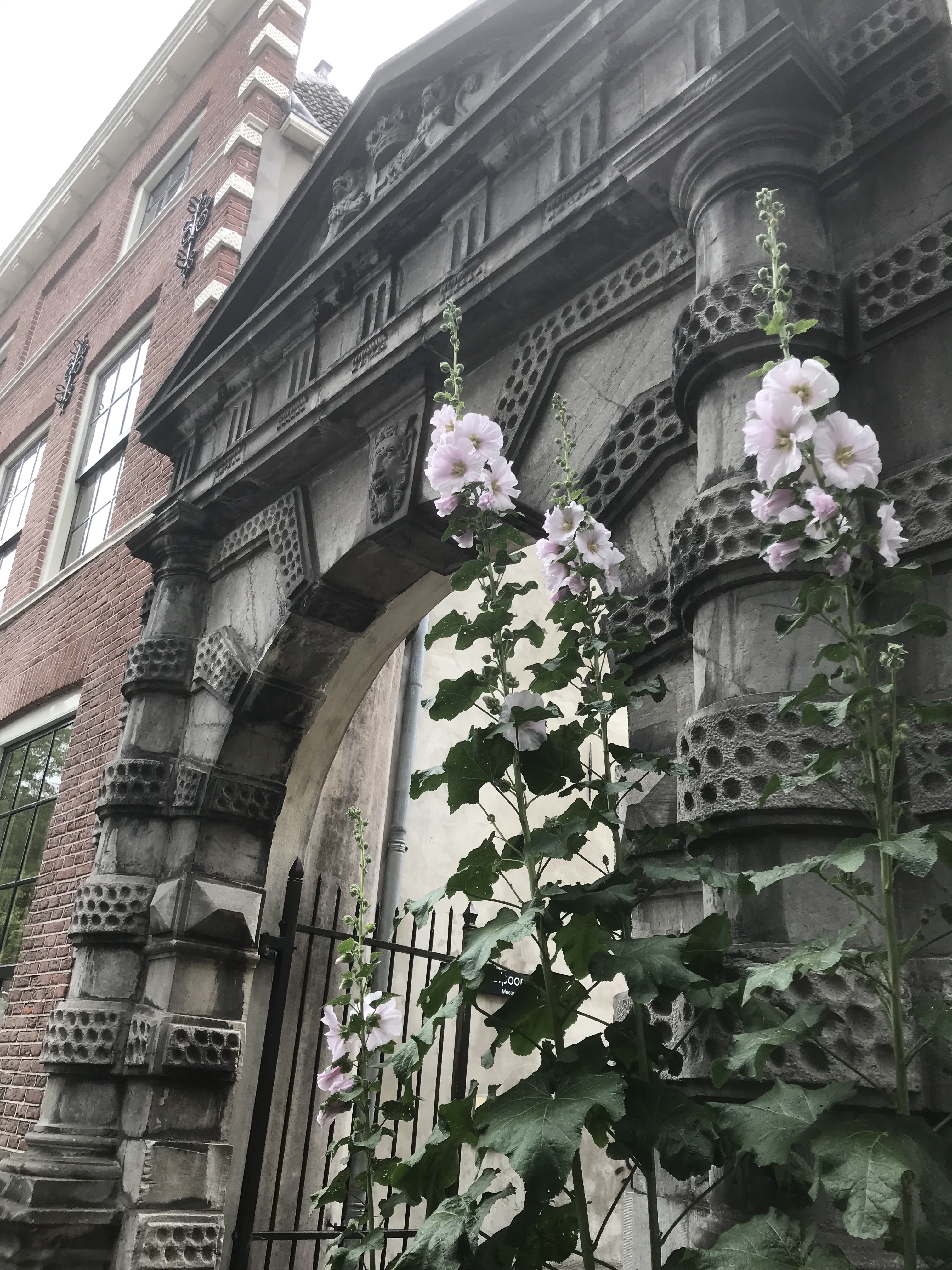
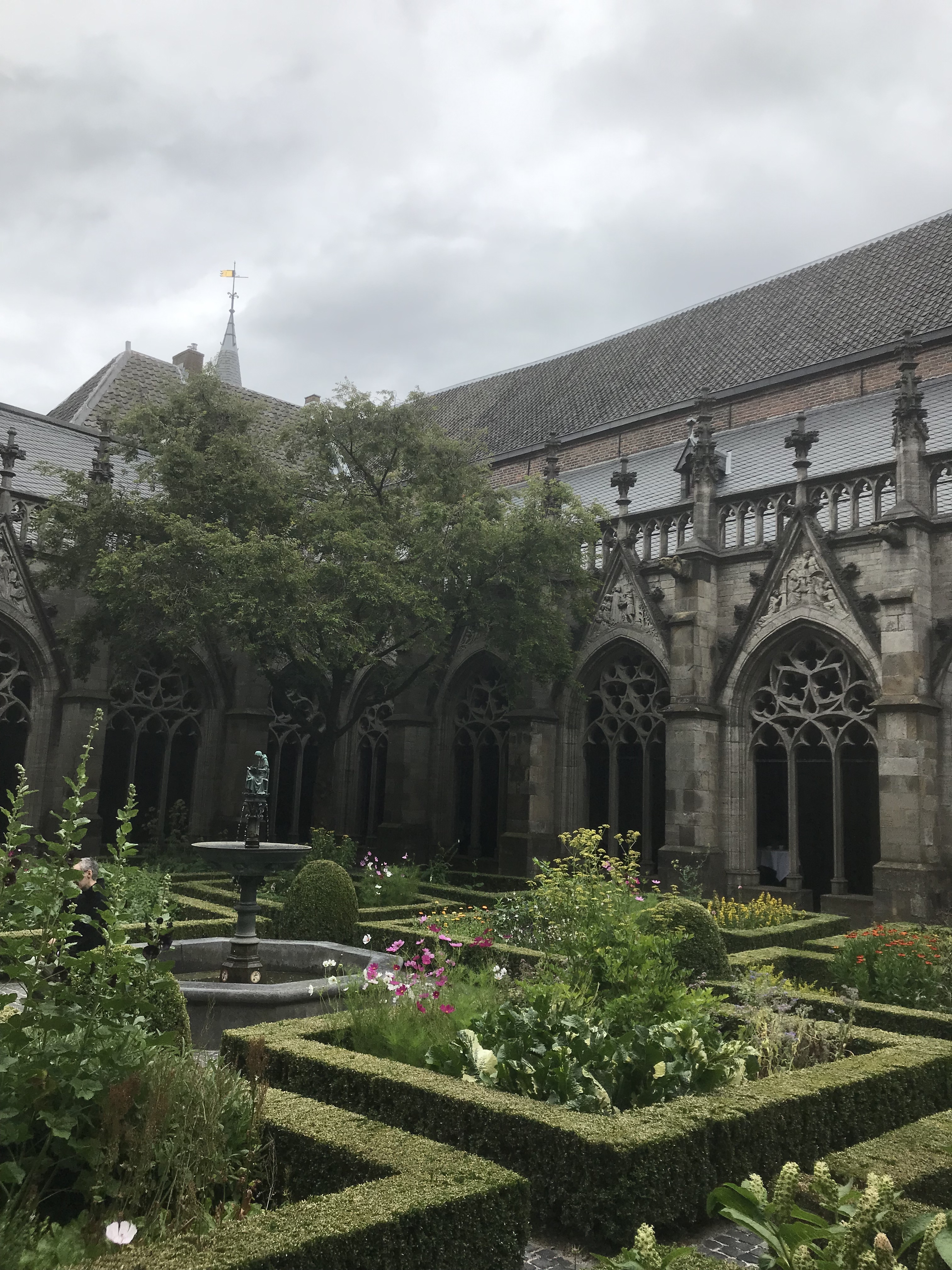
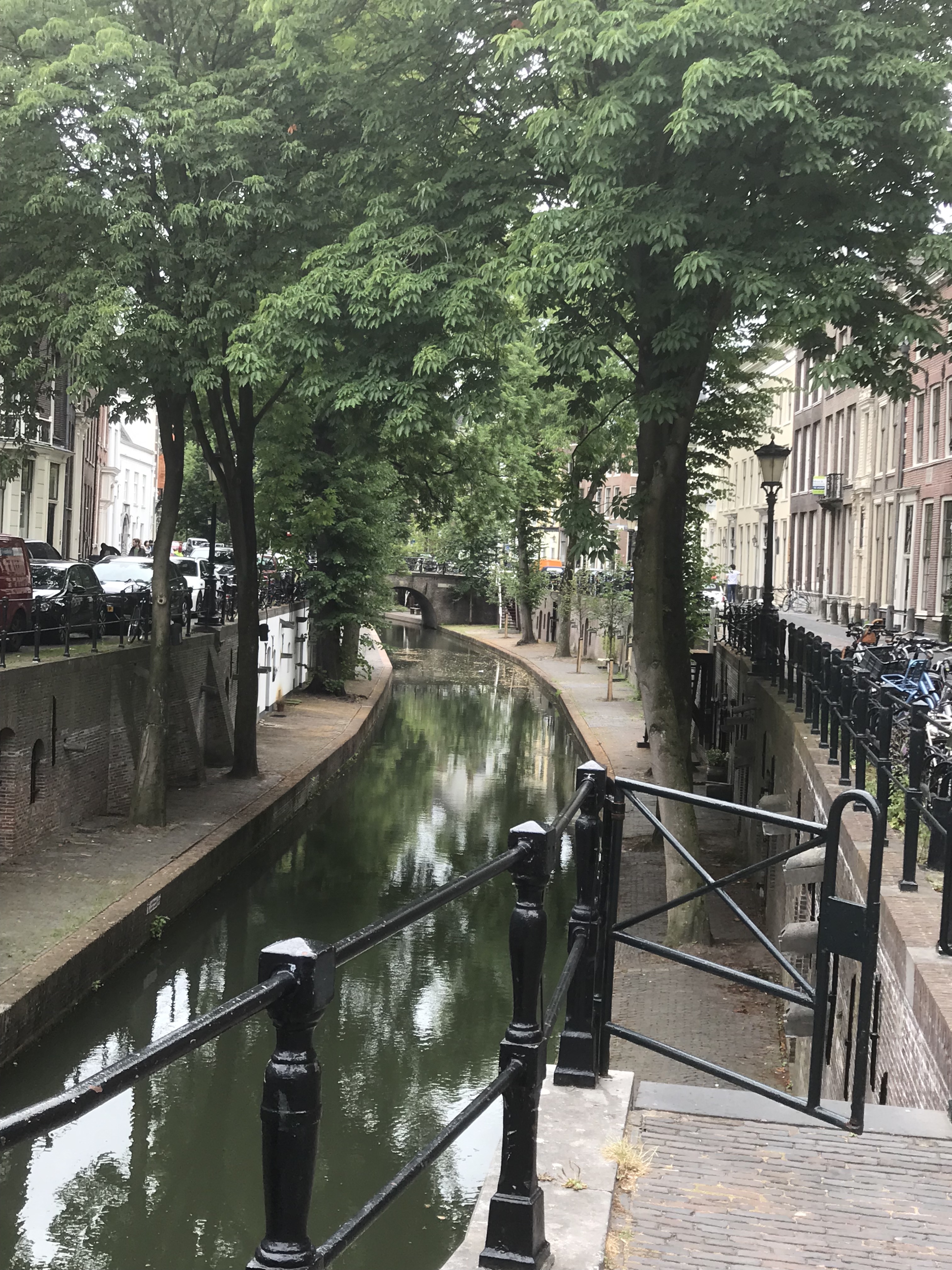
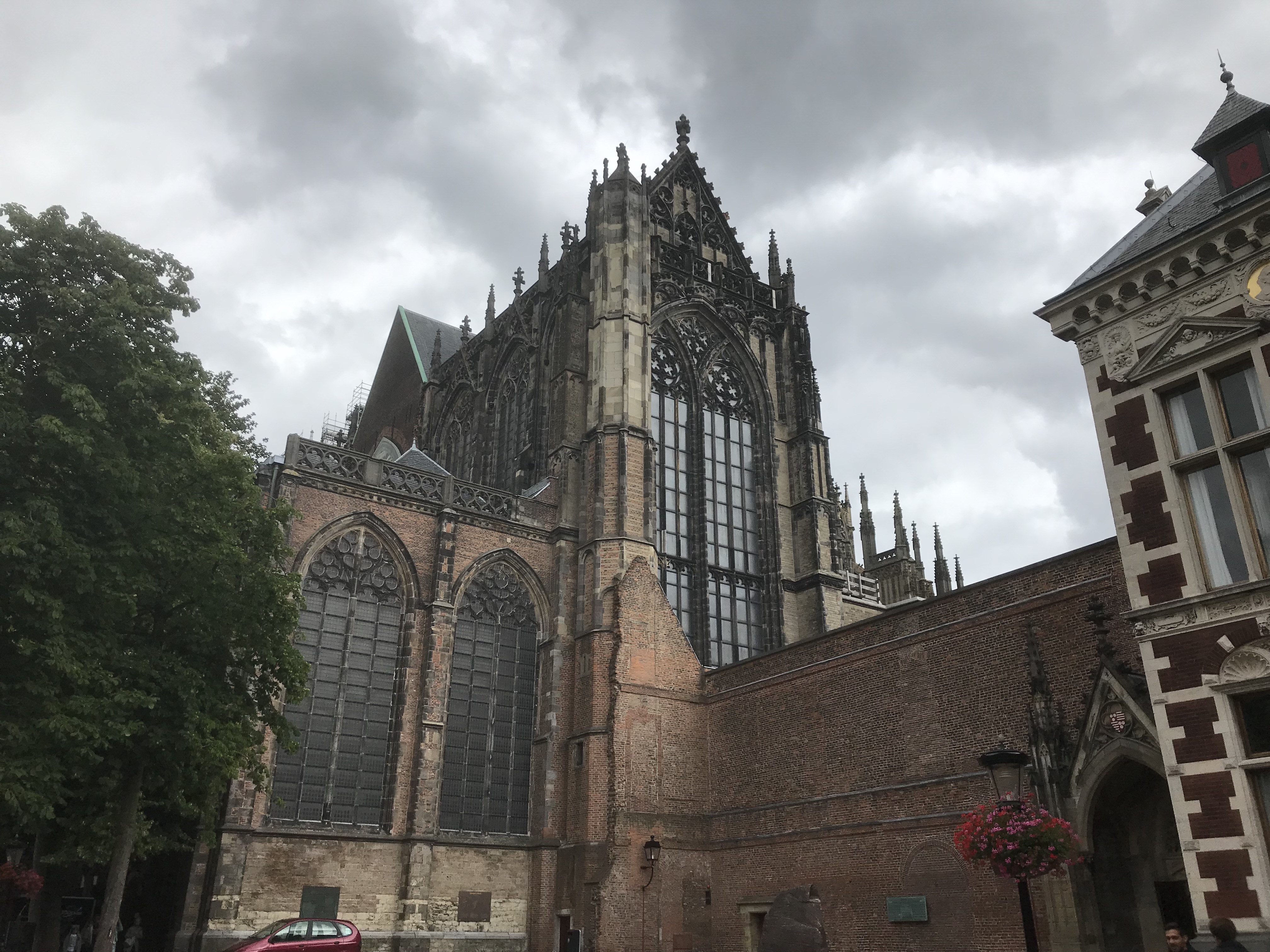
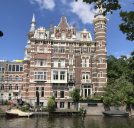
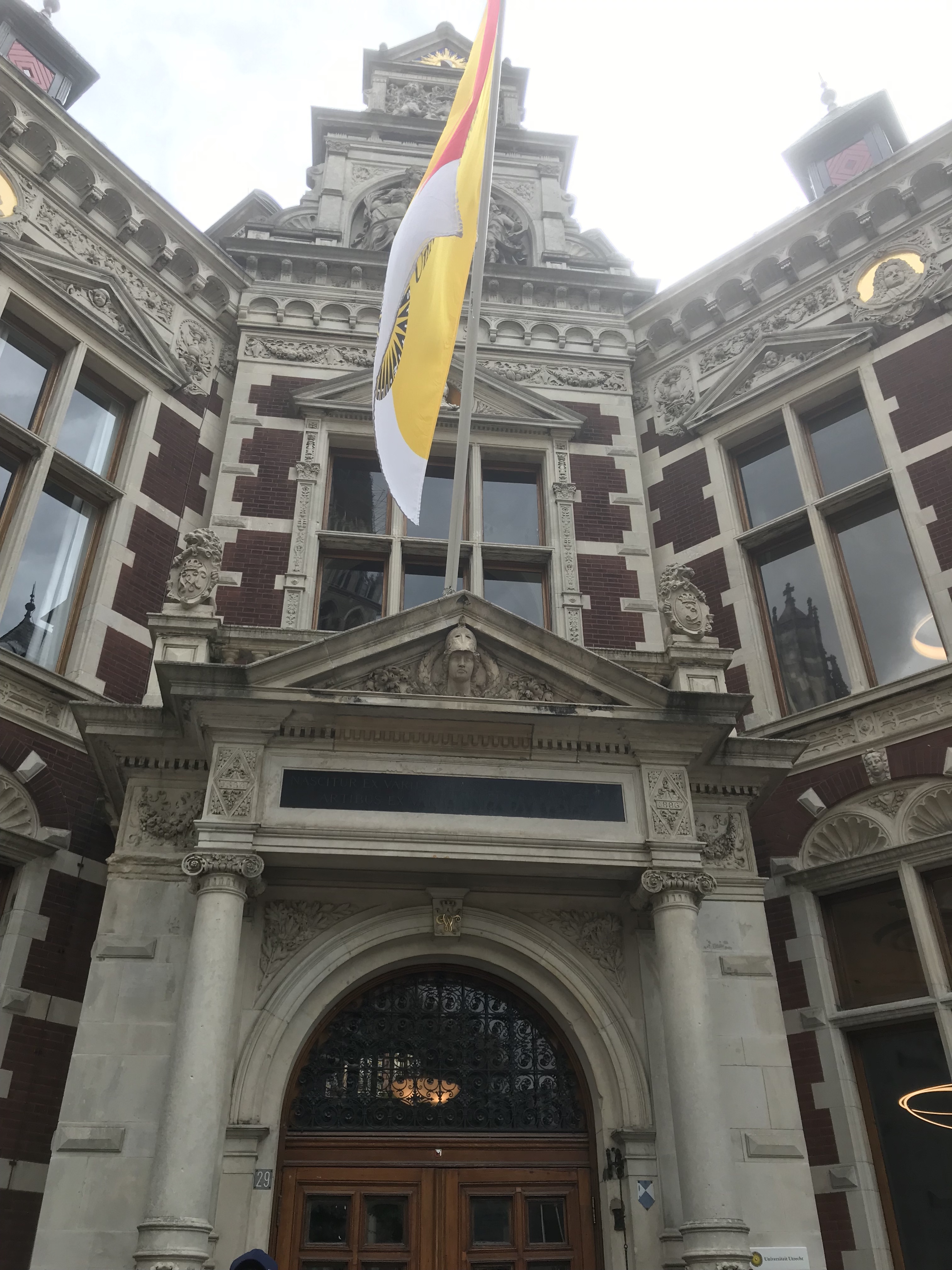
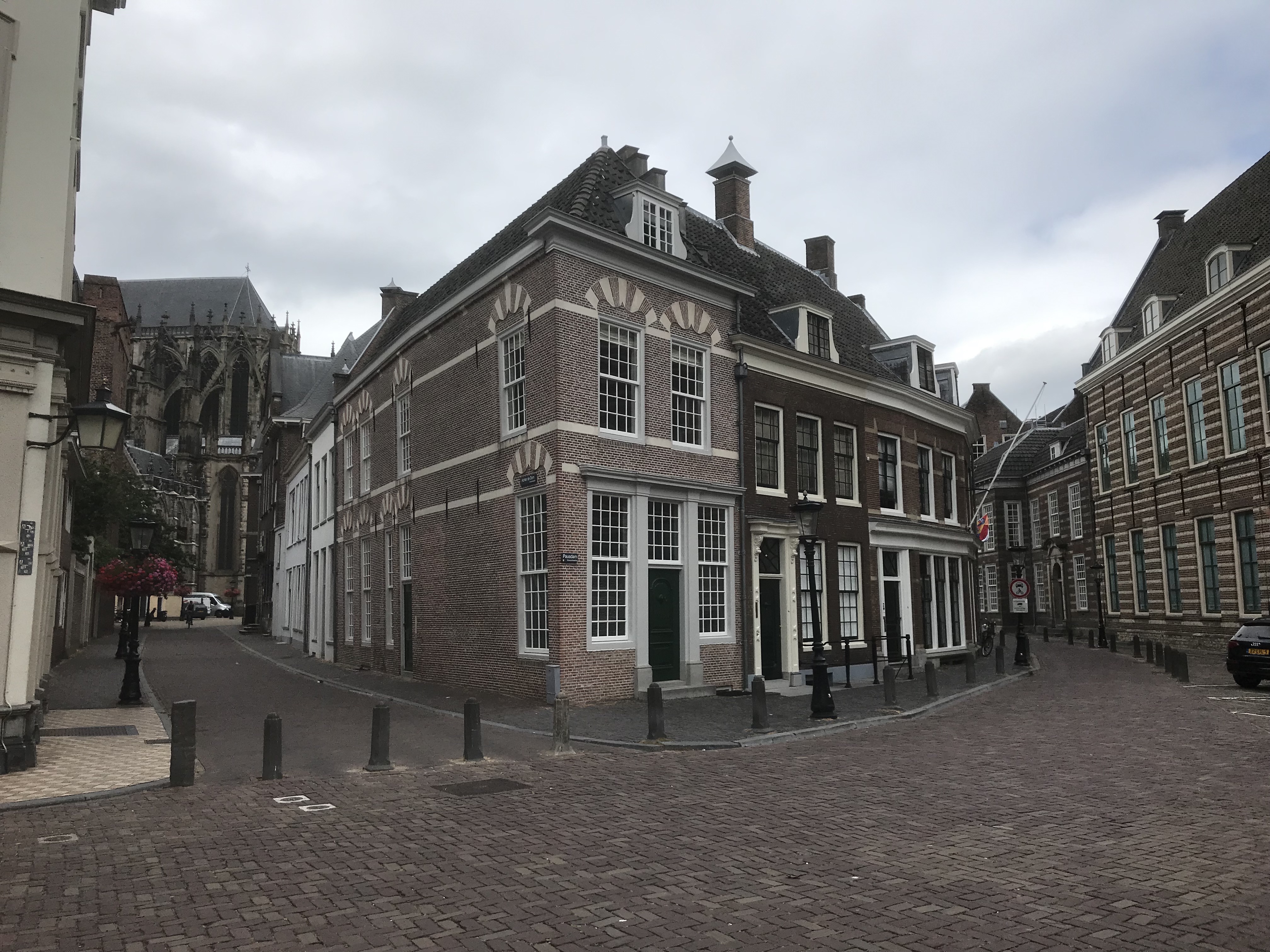
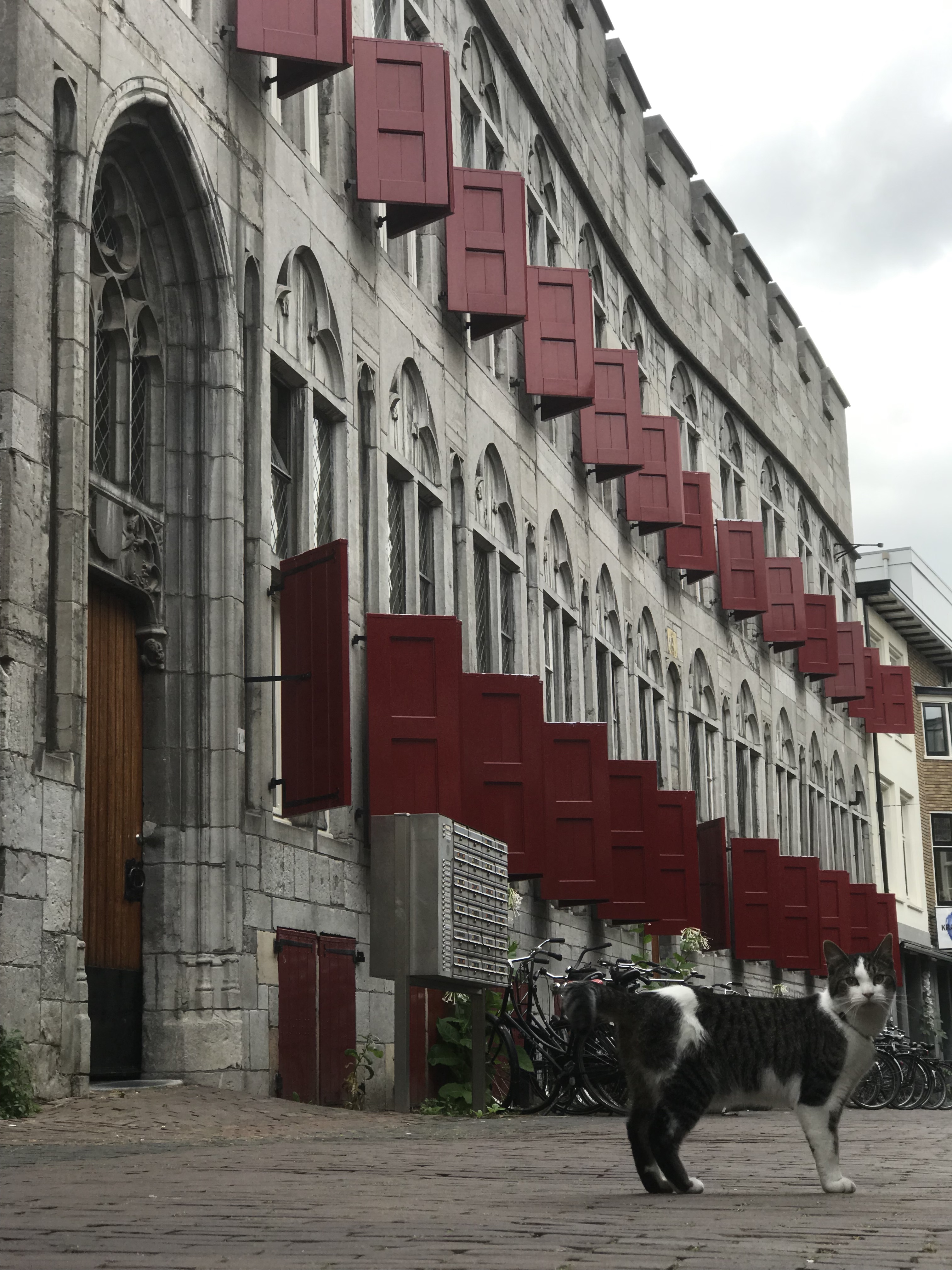
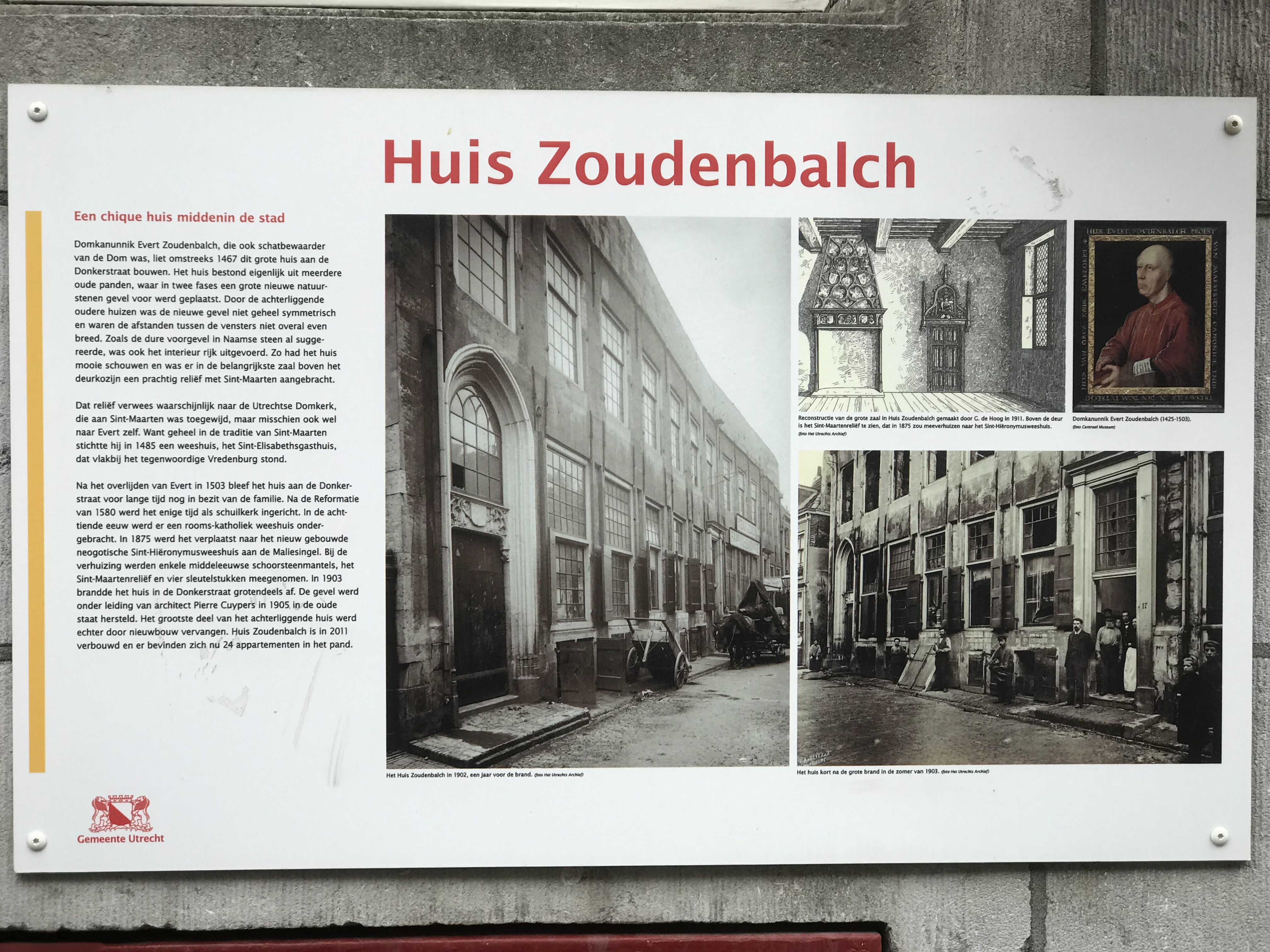
Although Utrecht today is not heavily involved in politics, it had a very important past for the Netherlands. The Treaty of Utrecht was signed in 1579. It is regarded as the foundation of the Republic of the Seven United Provinces, as well as united the Northern provinces of the Netherlands. The Union of Utrecht allowed total personal freedom of religion and was therefore one of the first unlimited edicts of religious toleration. The entire idea of tolerance begun with the Treaty of Utrecht, making the city very important. It also is home to the largest university in the Netherlands, and second oldest to Leiden University. It’s fair to say that the city of Utrecht has a very rich history for the Netherlands. Having a tour through the town was delightful, and truly unique. The grachts sit lower than normal, and shops and restaurants are open right by the water. There are slim alleyways and brilliant old buildings such as Huis Zoudenbalch. The house is named after the Zoudenbalch patrician family, one of the most important families in the city from the Middle Ages and, in addition to this house, also owns the Oudaen town castle, among others. The house was built around 1467 near the Donkerstraat and consists of several, possibly even older, parts. It is a very eye-catching building with bright red shutters on each level across the whole way, and the top of the building is staggered like a castle wall. Knowing just how old this house is and the history that it has gone through makes me connect even more to the town and imaging the Treaty of Utrecht taking place, uniting its provinces, and unifying the Dutch people.
 Amsterdam to Brussels