On our fifth day here in the Netherlands we were given a fun two hour lecture on some more Dutch terms and phrases. We learned how to say hello, introduce ourselves and and state where we come from. I think what’s so special about the Dutch language is that they use diminutive words often in their vocabulary, making the Dutch very friendly and warm-hearted people, “gezellig” indeed.
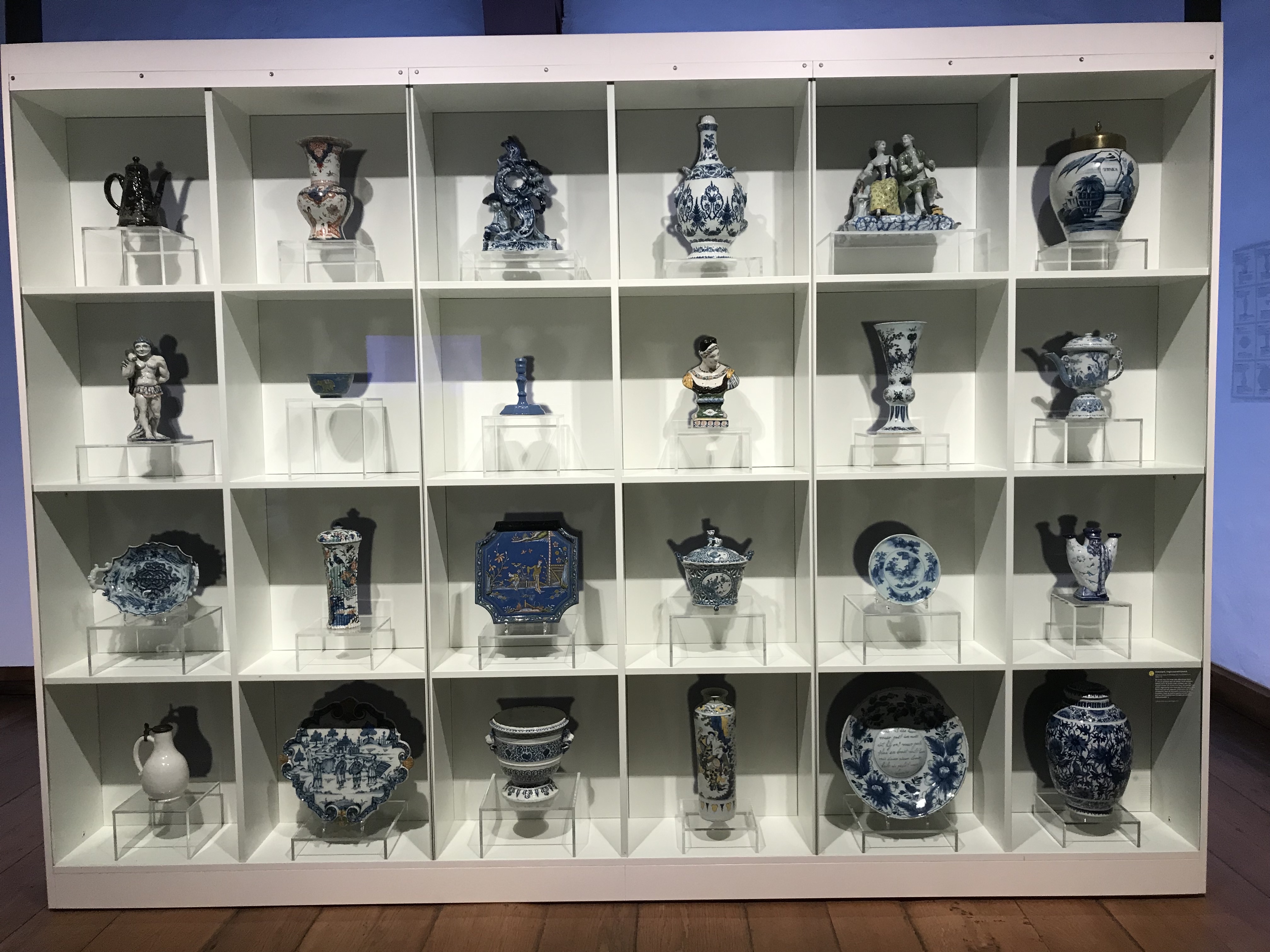
After the lecture we headed immediately to the central station where we headed out to Delft. Delft is a beautiful and historical city located in southern Holland. It’s the home or resting place of many important Dutch heroes such Piet Hien, Vermeer, and William of Orange and his descendants. Delft might be especially known for the infamous Delftware, hand-painted blue-and-white pottery. It is also the home to microbiology thanks to scientists such as of Antonie van Leeuwenhoek and Martinus Beijerinck.
We first explored the Prinsenhof. William of Orange took up residence in the palace in 1572, leading his Dutch resistance forces against the occupation of the Spanish. “The relation between William and the absent king quickly soured… William and his fellow nobles felt that the autocratic directives from Spain trampled on their traditional liberties and privileges.” (pg. 34) This friction between the Dutch and Spanish is today known as the 80 Years War. Once the Act of Abjuration happened in 1584, Delft became the de fact, or unofficial, capital of the newly independent Netherlands. The palace was exciting to walk through as there was plenty of artifacts and art from the era of the Golden Age. One of the most remarkable attractions within the palace was the bullet hole in the wall left from the assassination of William of Orange. William was shot dead on July 10th in 1584 by Balthasar Gérard, a loyalist to King Philip of Spain. After the killing Gérard tires, convicted and then harshly executed infant of the city hall in Delft. His right hand was burned off with red hot iron, his flesh was torn off his bones from six different locations, they disemboweled and quartered him alive, his heart was torn out and flung at his face, and then finally he was beheaded.
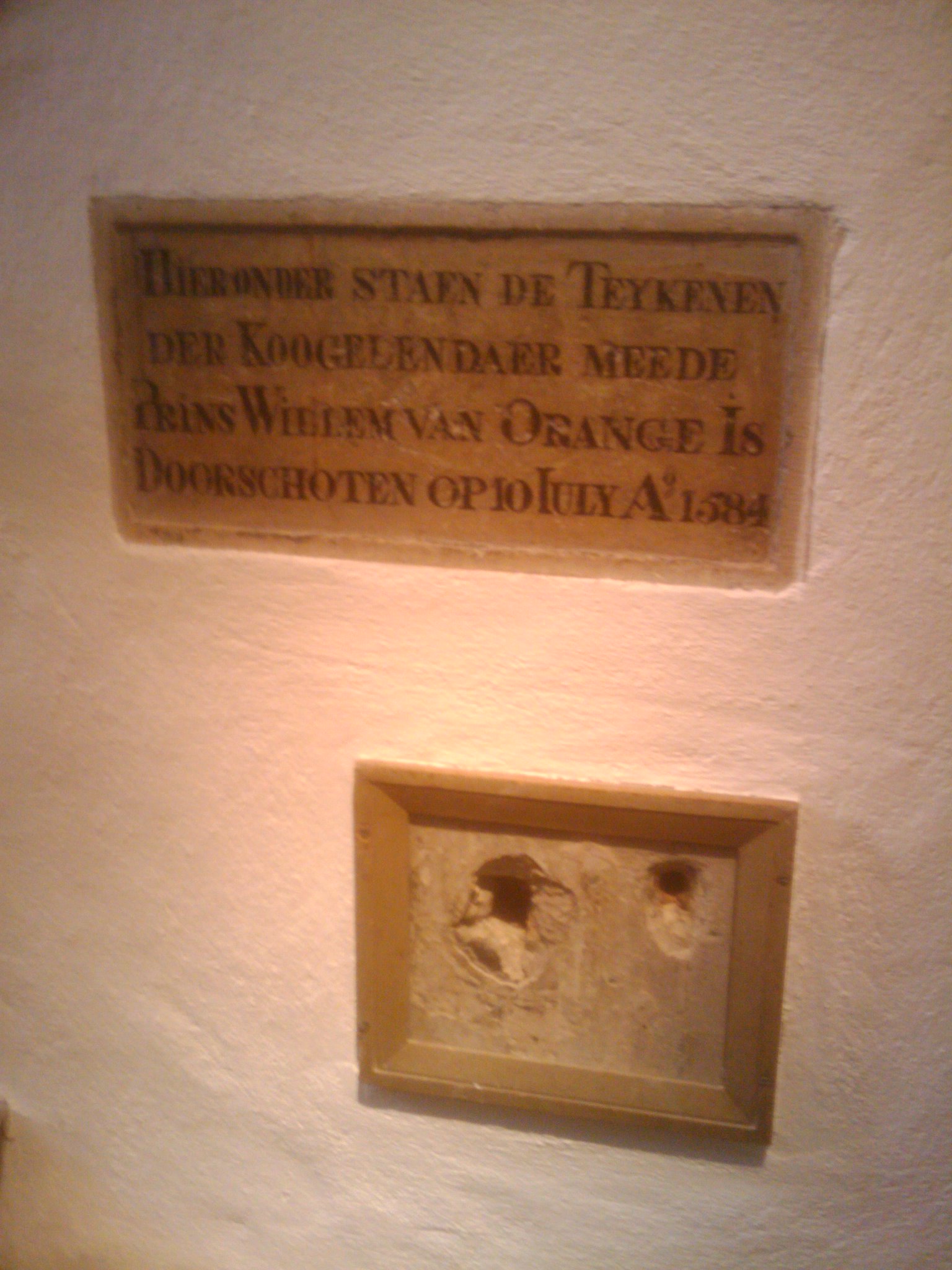
Assassination bullet holes
It was interesting to walk the streets of Delft connecting the dots correlated to William of Orange’s death. Seeing the bullet hole in the wall led to knowing that in the exact spot is where he was shot by two pistols, and where William of Orange drew his last breath. Then walking along the city Hall ad square seeing the area where Gérard was mutilated and executed had an odd eerie feeling, beach now it is such a tourist driven area with shops and happy faces.
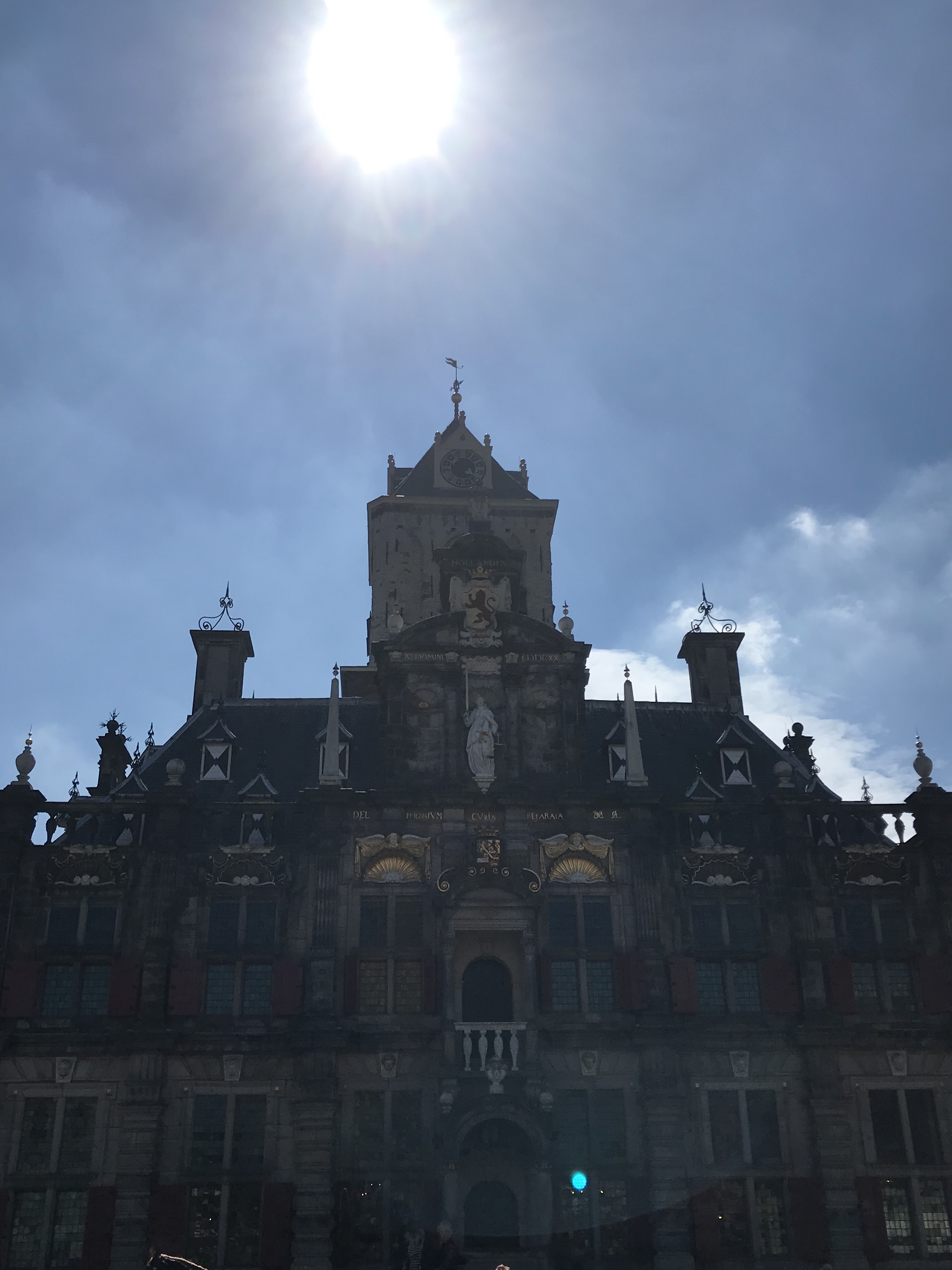
City Hall (where Gérard was killed for the murder of William of Orange)
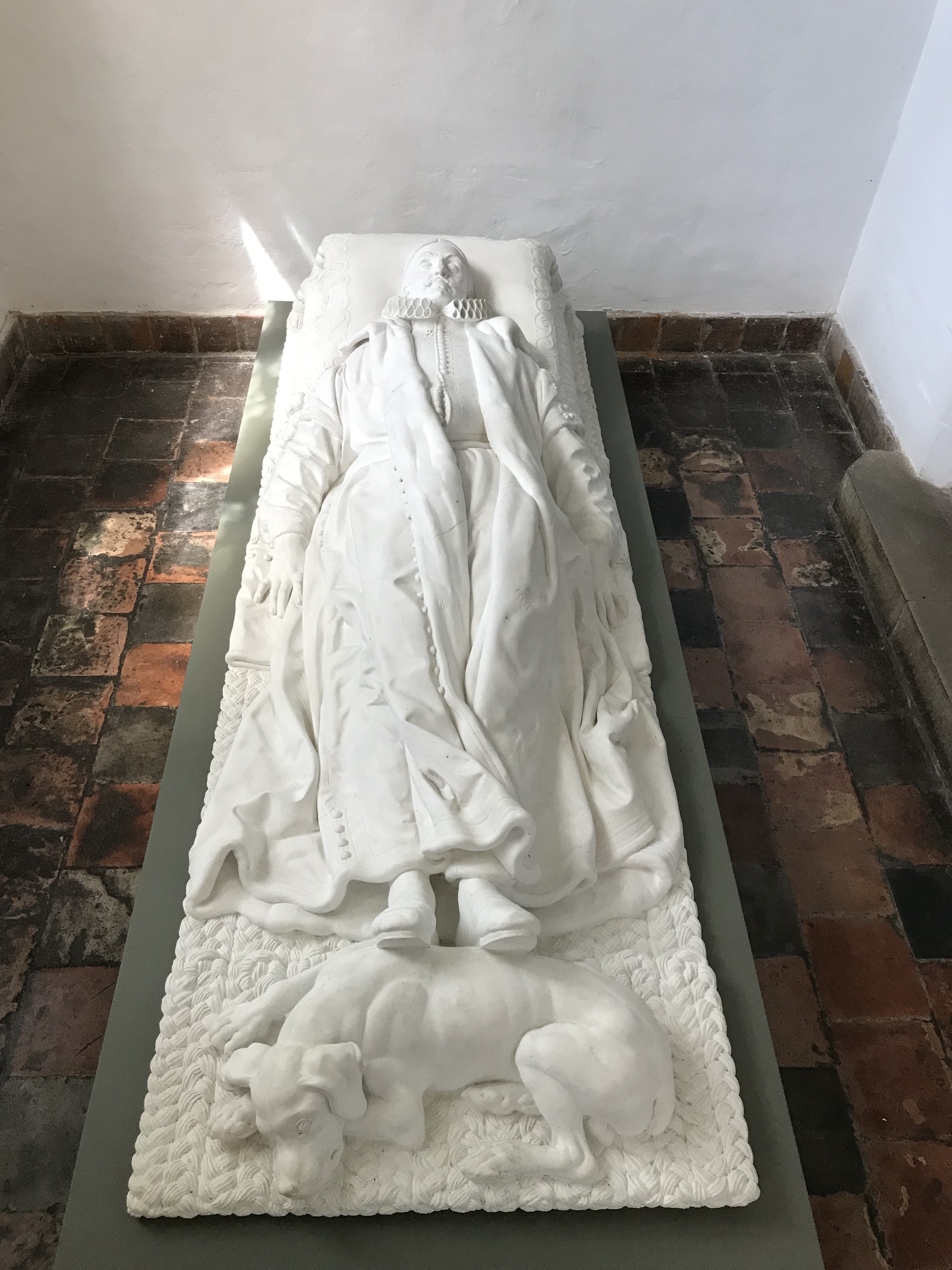
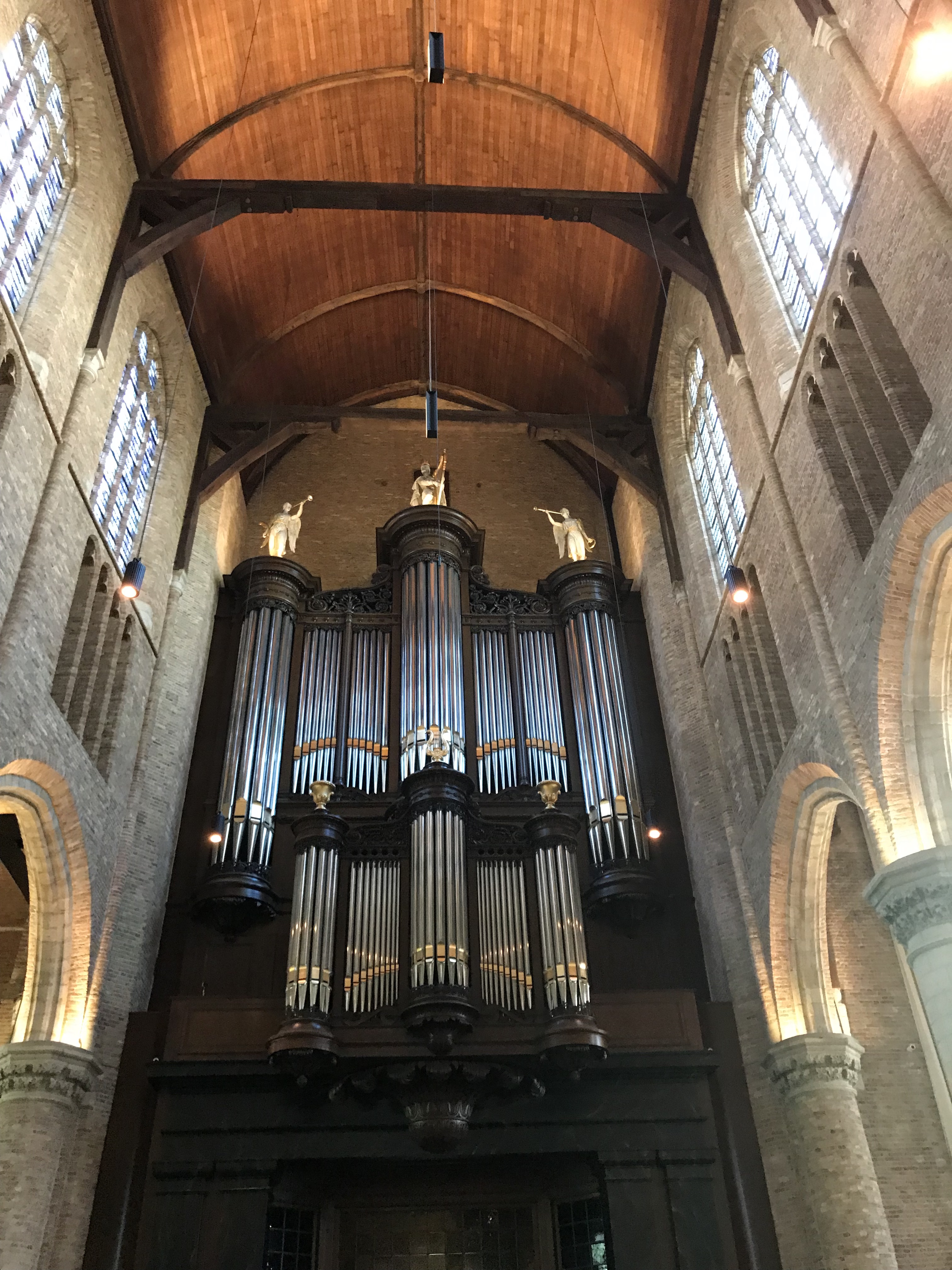
The Oude Kirch and the Neue Kirch are both remarkable buildings to visit. The Old church is where Johannes Vermeer, master painter, is lying eternally. Piet Heyn, a Dutch admiral and privateer, aka pirate is also placed here. He is famous for intercepting the treasures of 16 Spanish ships without any bloodshed. Heyn captured 11,509,524 guilders of booty in gold, silver, and other expensive trade goods, such as indigo and cochineal. The church is pre-reformation so includes beautiful gothic architecture. Obviously, due to the protestant reformation, iconoclasm affected the interior of the church. It lacks the religious sculptures and abundance of gold, which most catholic churches would contain. But in protestant eyes, the idea of a church is to solely connect to God one on one, there is no need for the representation of angels, Jesus suffering, or saints.
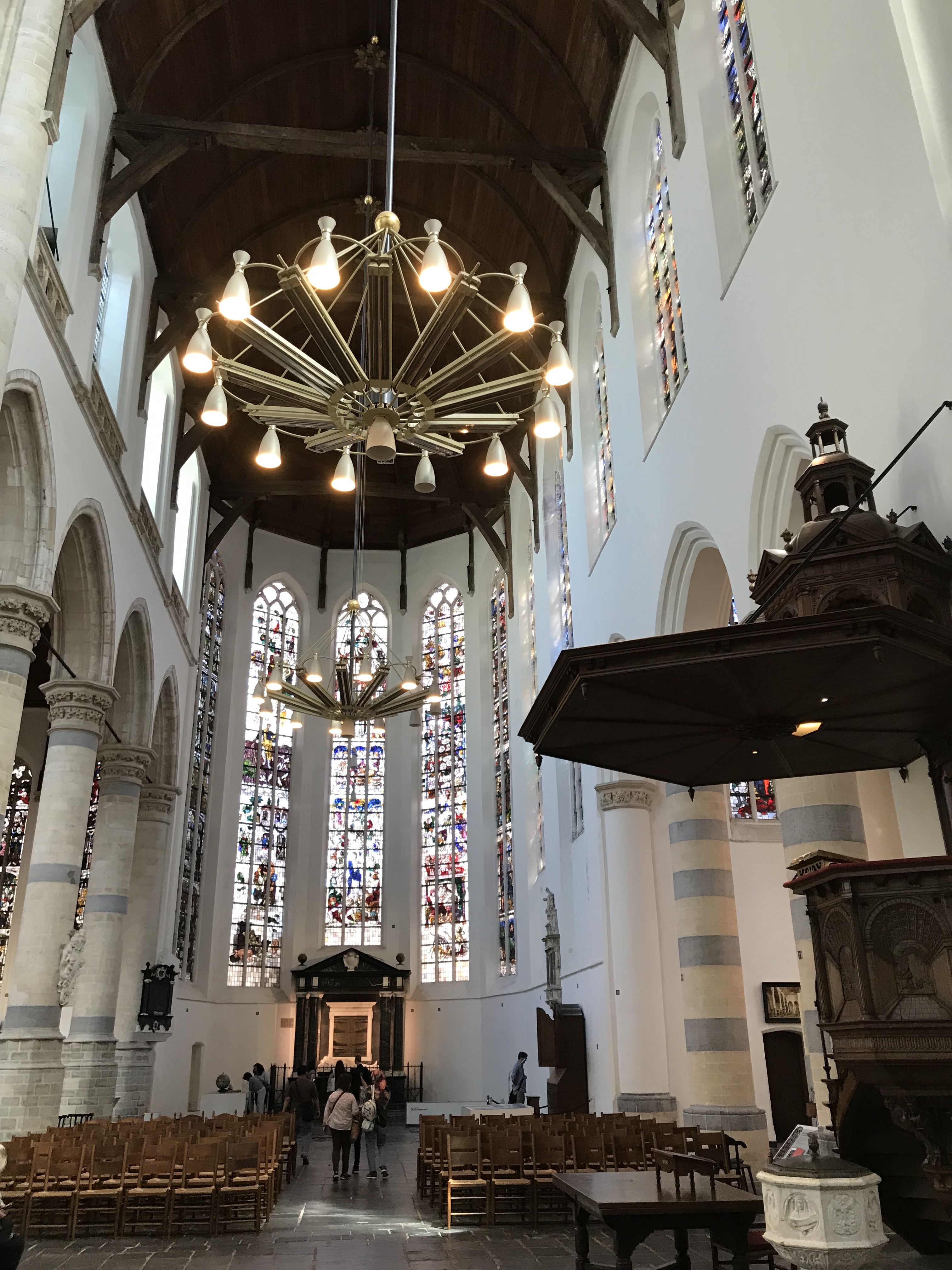
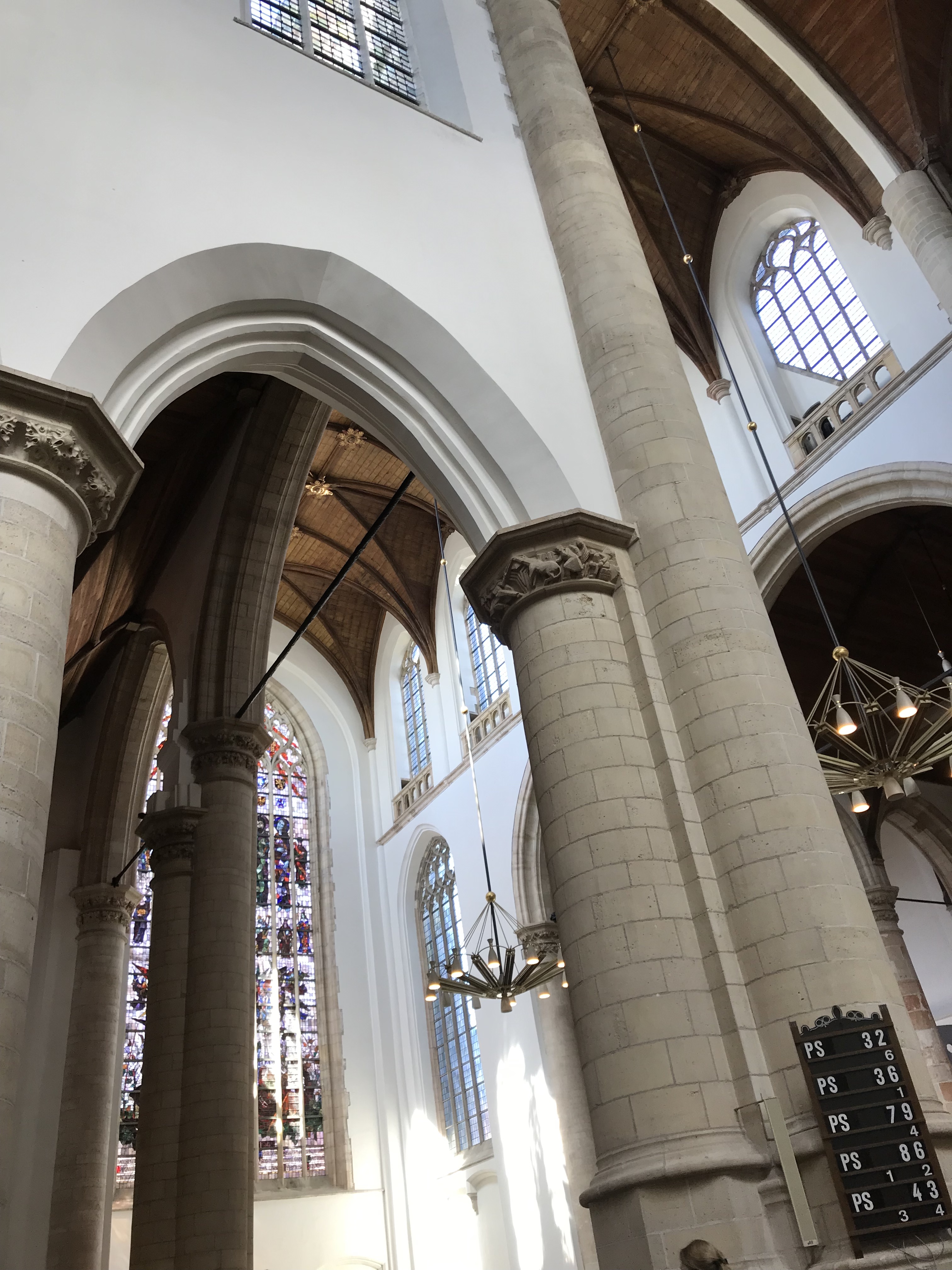
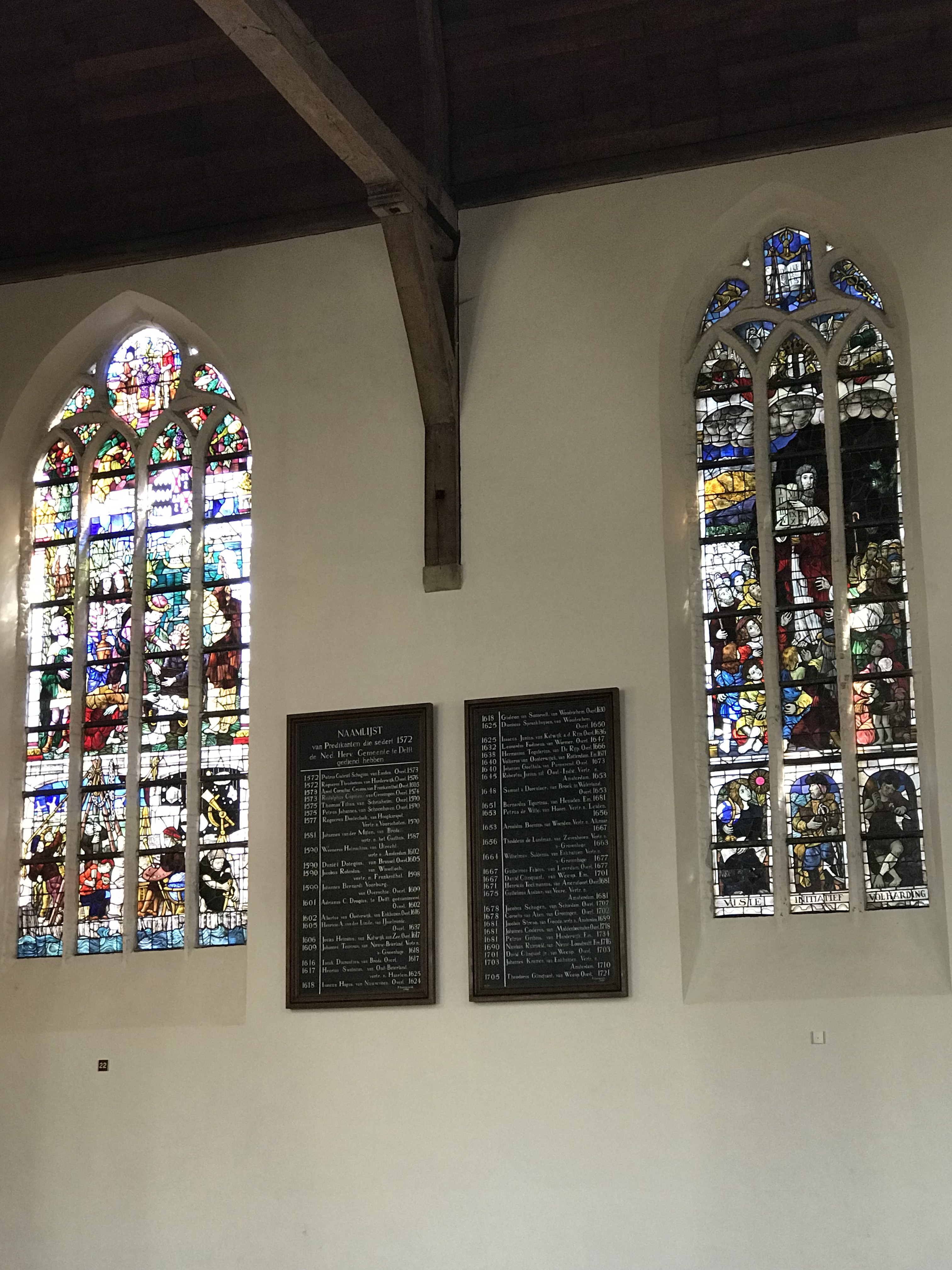
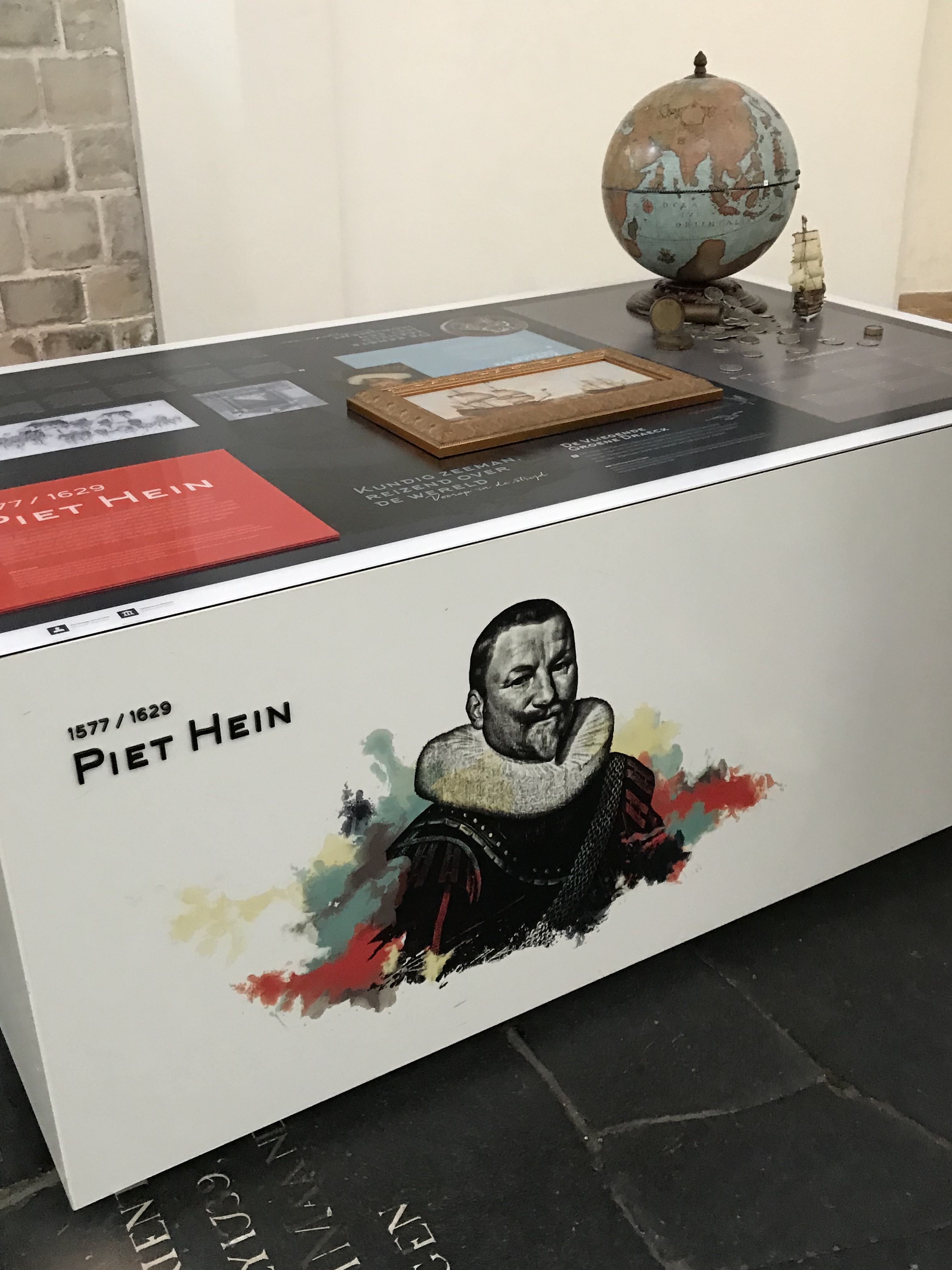
Views inside the Old Church
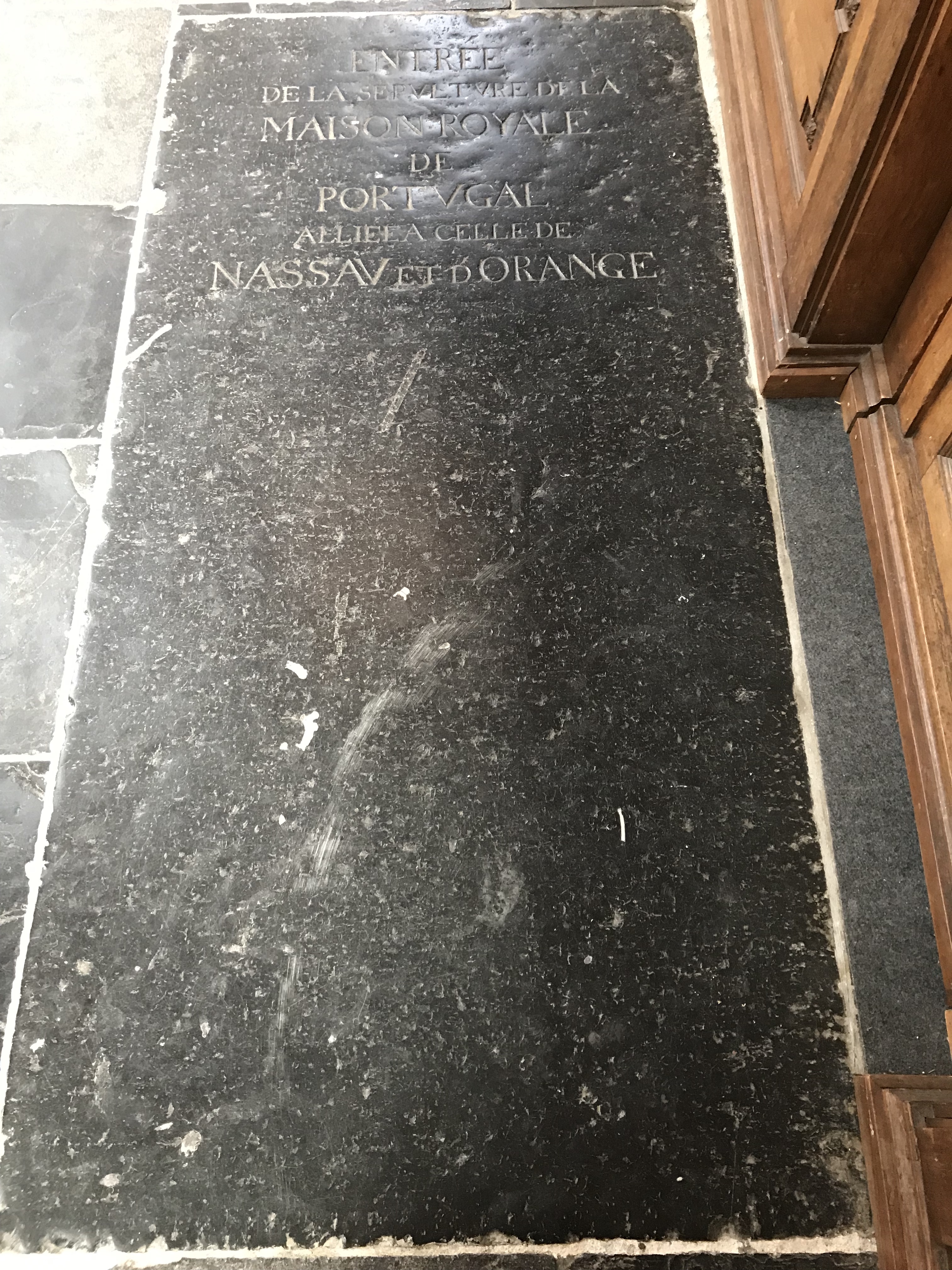
In the New Church, William of Orange is placed in a large underground mausoleum. It is a remarkable interior as well. The layout of the church is well organized for tourists. A nice orange floor leads you around the room with information on the royal family resting below. There is also a video that shows the ceremonial burial for certain family members of the royals. This is nice as you can see how the church prepares with beautiful flowers and decorations for the ceremony. You can also see the large floor cover removed and the entrance to the mausoleum below.
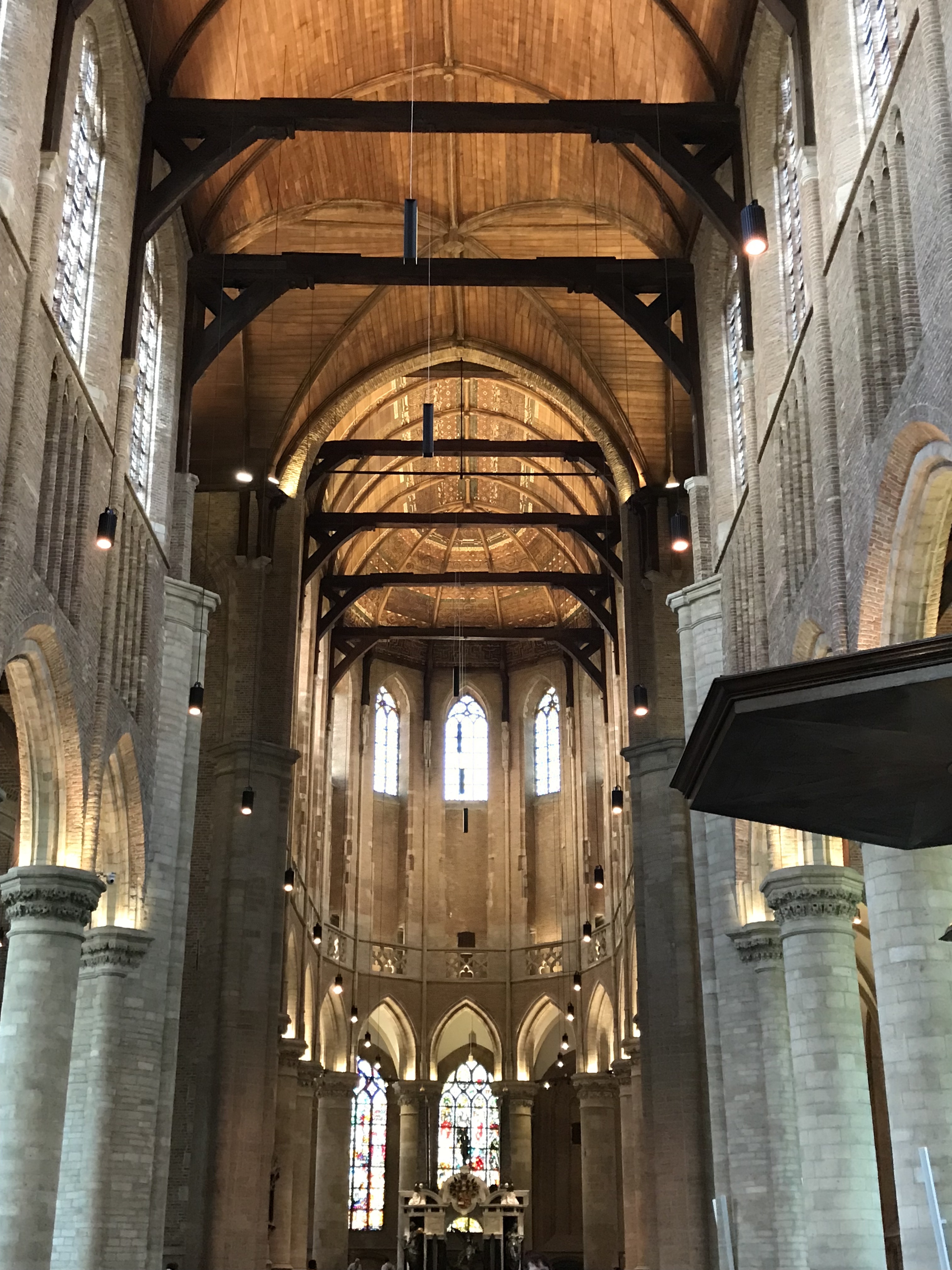
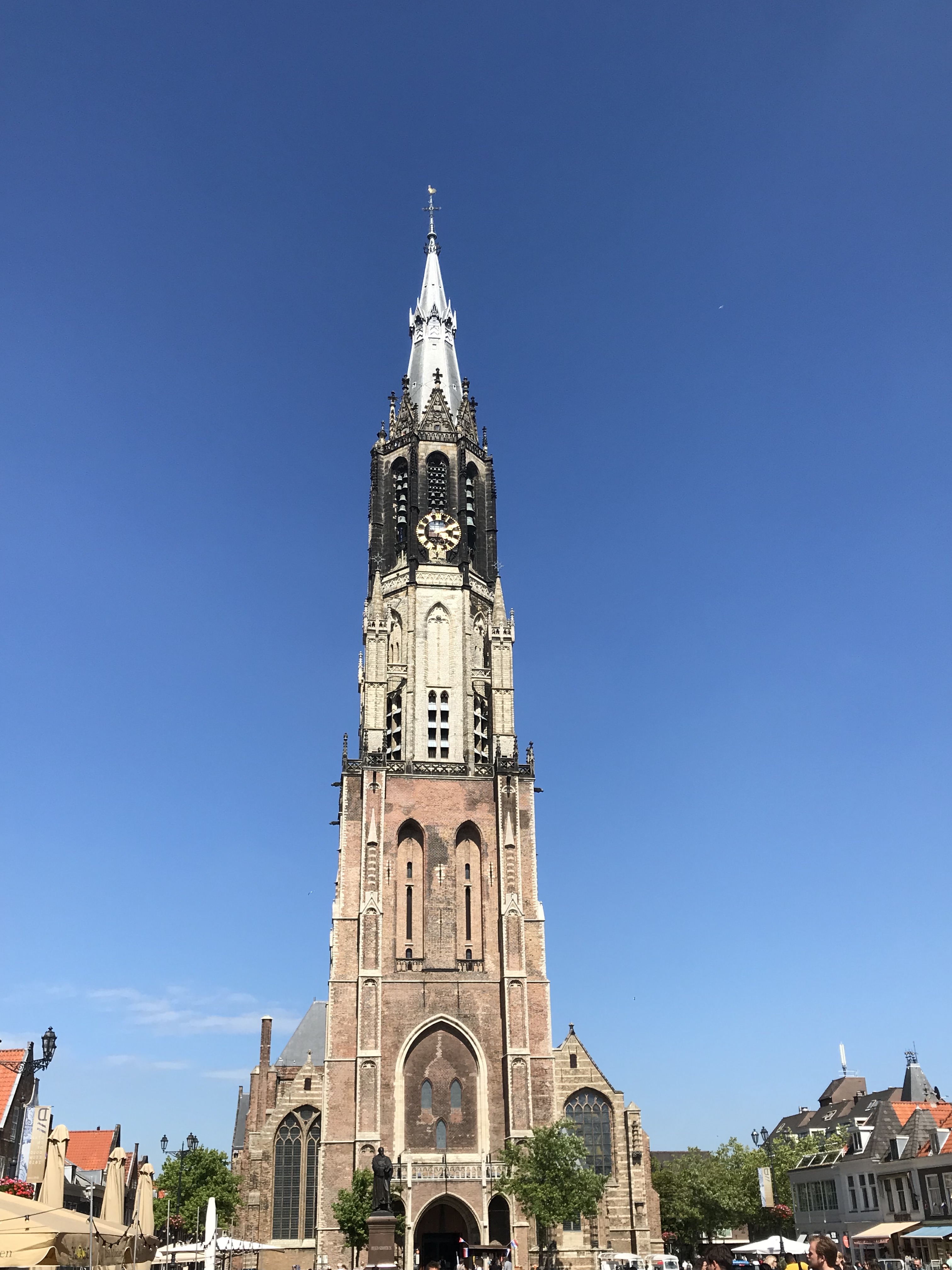
Views of the New Church
 Amsterdam to Brussels