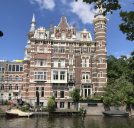
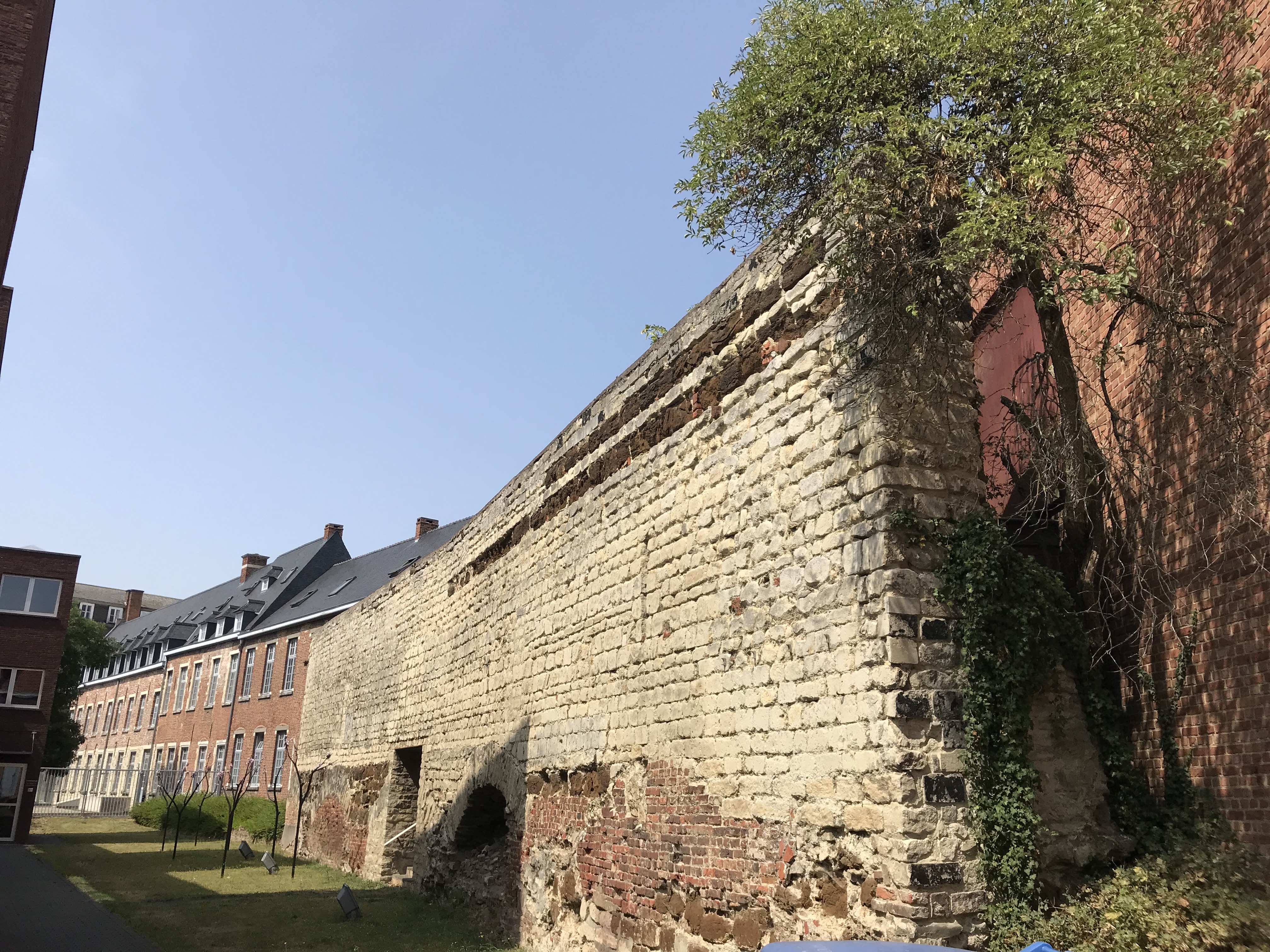
Today was our final excursion to a Flemish city. We visited the city of Leuven, or Louvain in french. This is the “ home of Belgium’s most internationally reputed university.” (pg. 124) It’s name interested me because it phonetically sounds like Löwen in German, meaning lions, and that exactly what it means in Flemish. Interested in the city name I looked up the coat of arms for the city and it surely had a flemish lion encompassed around the main crest. As we walked the streets it was quite quiet and not many people about. This is due to the fact that the city is mainly populated by students. When holidays come around, or summer break in our case, no one is to be seen. There are of course many shops but not all of them are open. I also noticed many of the local workers tend to still speak french in this area. It seems that even after the Leuven Vlaams movement, French still persists to remain in Flemish counties.
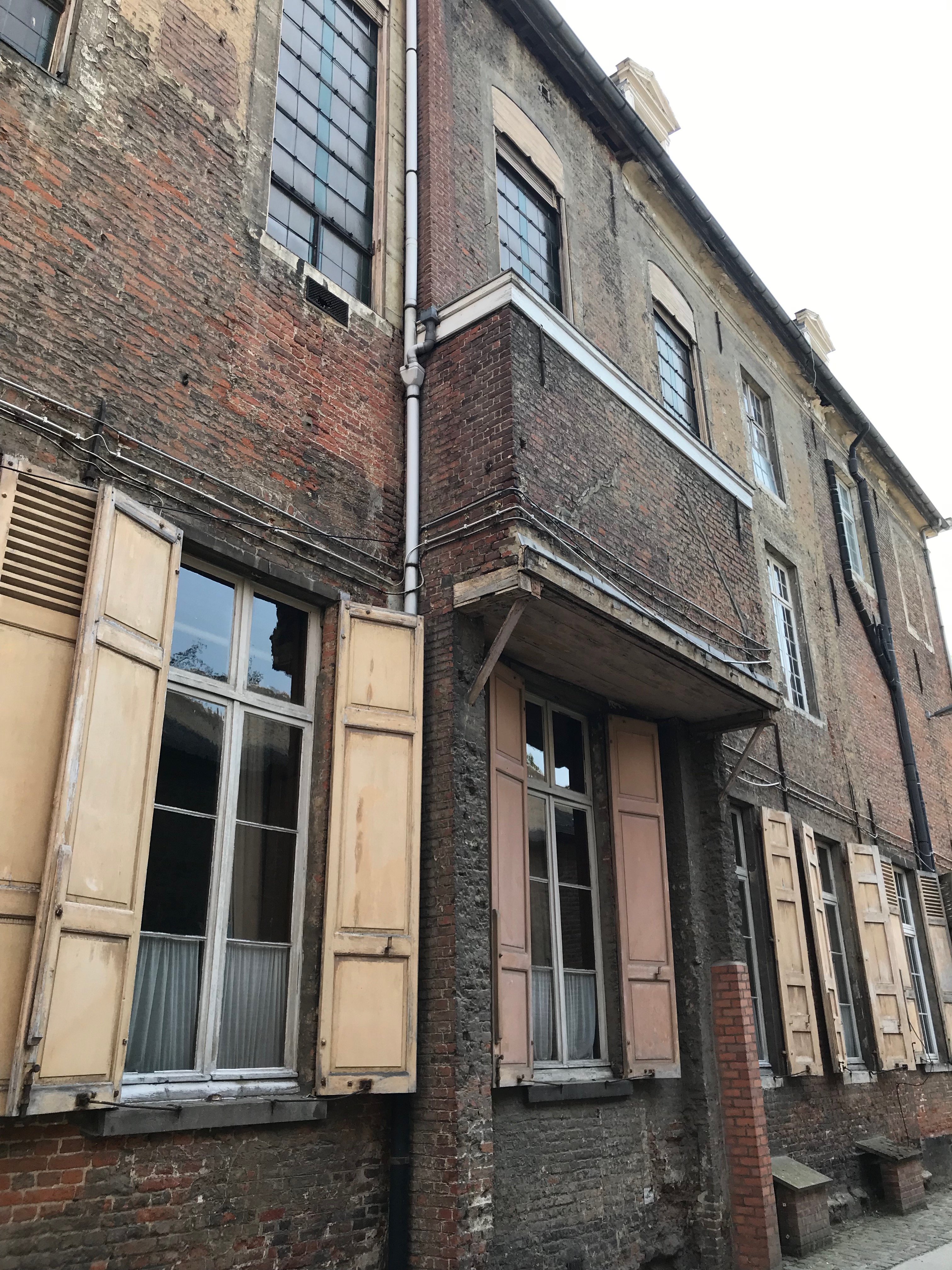
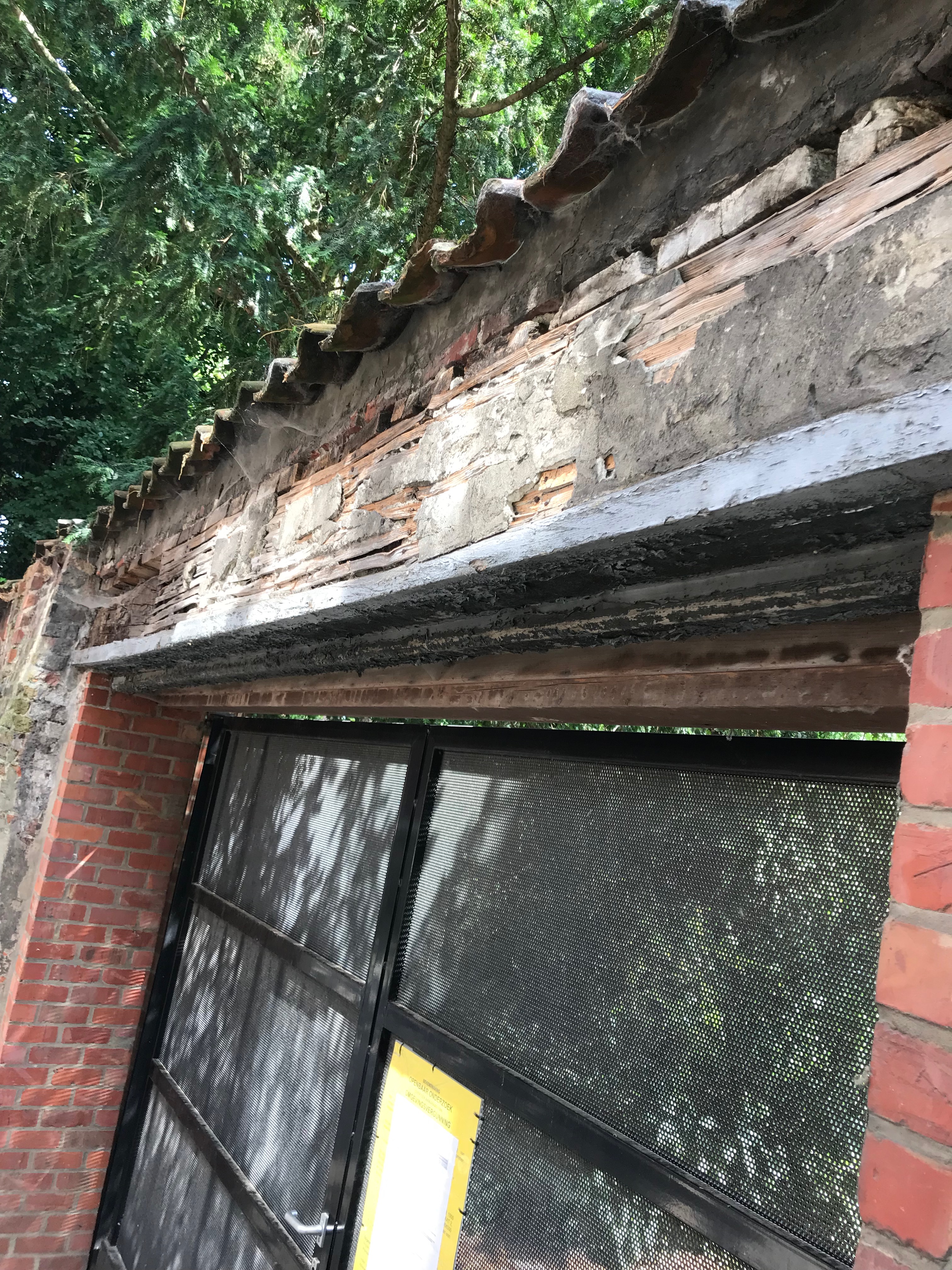
Situated in the heart of Western Europe, KU Leuven has been a centre of learning for almost six centuries. Founded in 1425 by Pope Martin V, KU Leuven bears the double honor of being the oldest extant Catholic university in the world and the oldest university in the Low Countries. Walking around the campus and seeing different colleges was very interesting. I think my favorite building was the Holland College, and not just because of the name. It looked so much older than other colleges and had a nice design with a nice mixture of brick layering and some original wood that represents the old age of this prestigious university. It was very special to observe the campus knowing that it had got through some interesting public issues regarding flemish and french teachings such as the rising of the Flemish nationalist party in the 1950s. I found it so odd how most professors spoke not a word of Dutch, but they were in a Flemish university. Things got really interesting when french students started wearing star of David patches protesting against “ Flemish racism.” Eventually in July 1968 there was “ a decision to remove the French-speakers to a new site in Wallonia…after the Belgium government had fallen over the question.” (pg.126)
 Amsterdam to Brussels