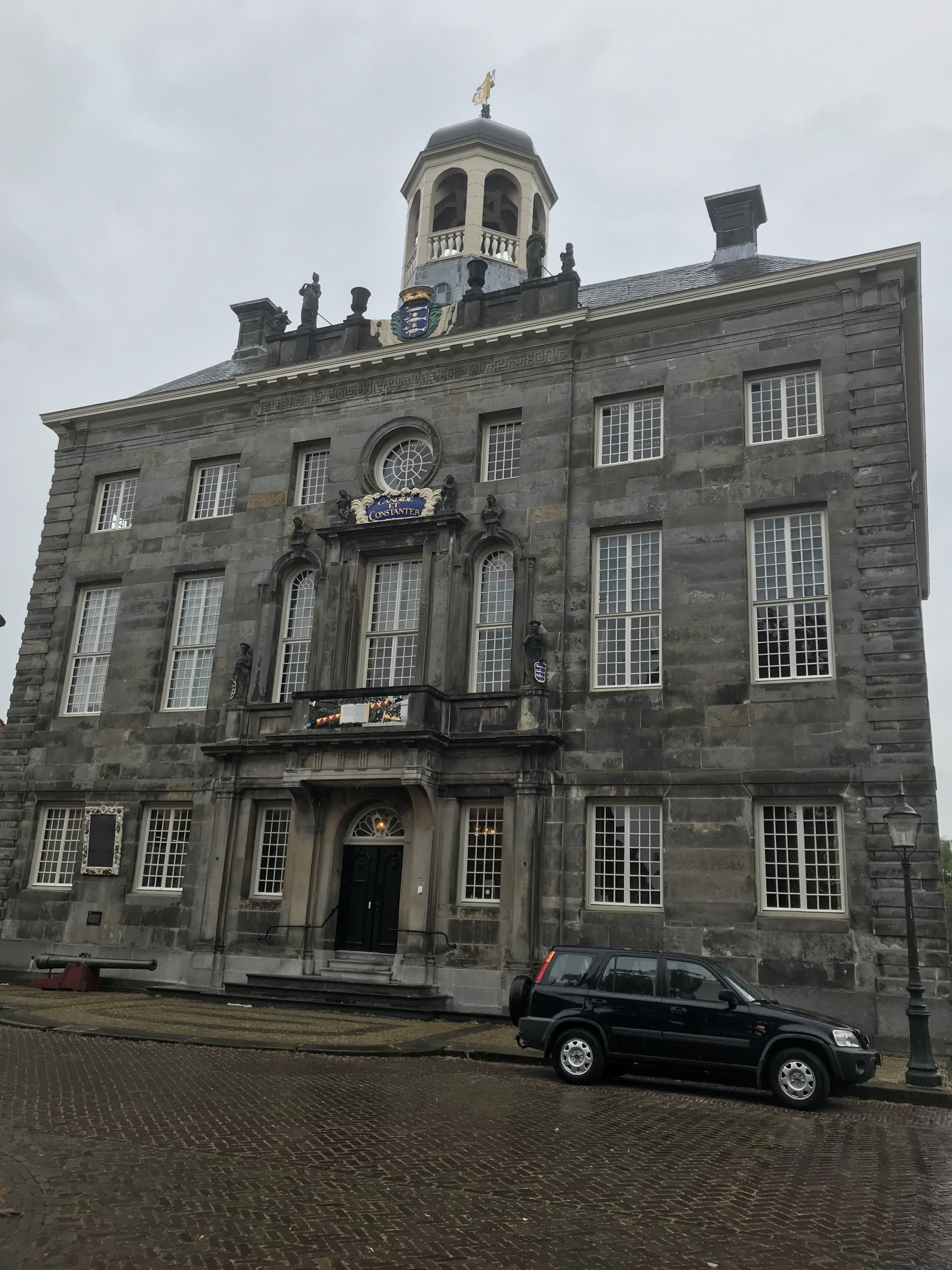
Today was another immediate excursion to a town called Enkhuizen. It is a well known harbor town north of Amsterdam. On our arrival we took a ferry which transported us to the Zuiderzee Museum. The museum was established as an incentive to preserve the cultural heritage and maritime history from the old Zuiderzee region of the Netherlands. The museum village was established to replicate the architecture and atmosphere of villages around the former Zuiderzee. There are buildings of many locations represented such as north Groningen all the way down the coast to the island of Wieringen. Most of the buildings are authentic, some even transported in whole from their original locations.
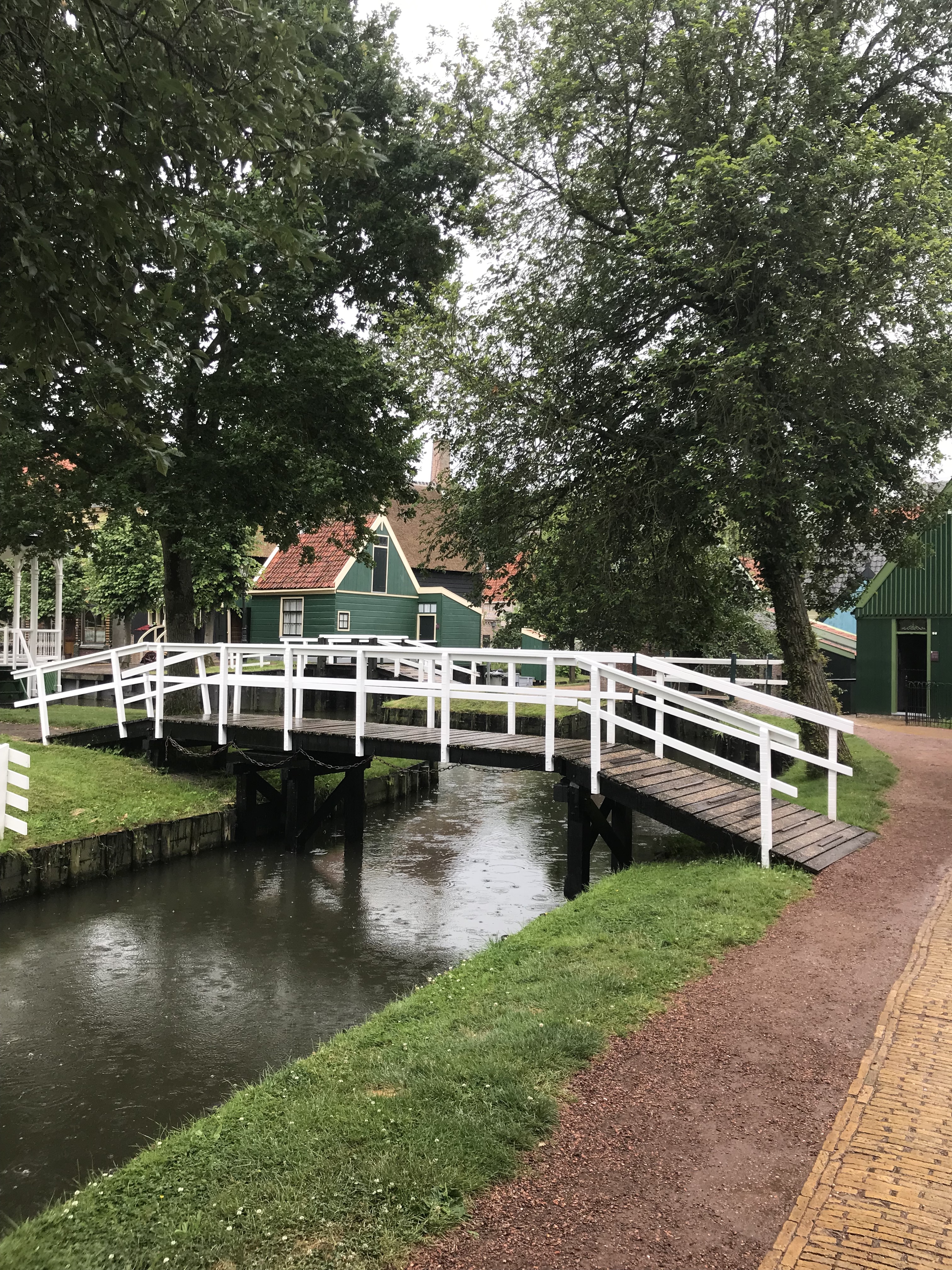
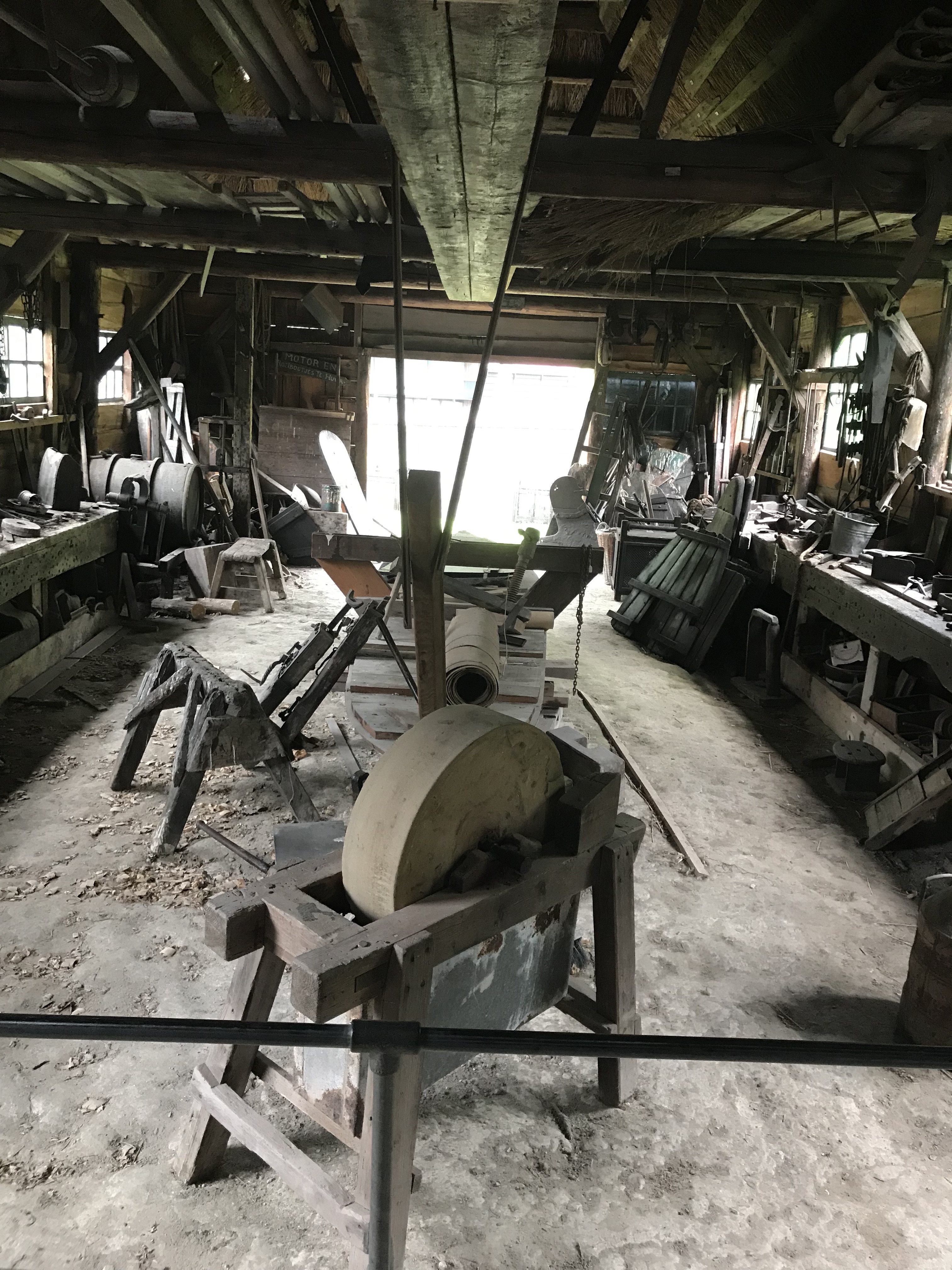
Walking around the outdoor museum is very exciting. It feels like a ghost town even though, it was not necessarily a town with locals at any time. The roads are all very real, and the house are laid out just the same as any true Dutch village. Getting to walk through these roads and see inside some of the houses was very interesting. There were so many different types of buildings that we could observe such as a wind-mill, fish-smoking house, drugstore, pharmacy, blacksmith, school, and even a hairdresser’s.
It’s interesting to see how many of these people lived so near the sea, especially when this would have been the an era where flooding was originally an issue. As mentioned the Dutch Republic “ had developed out of the common struggle against sea and the shared interest in building and guarding the dykes to protect the county against flooding.” (pg. 42) About 2,000 years ago most of the Netherlands was covered by extensive peat swamps. The coast consisted of a row of coastal dunes and natural embankments which kept the swamps from draining, but also from being washed away by the sea. After 1000 AD the population grew in the Netherlands, which meant there was a greater demand for usable land, but also the fact that there was a greater workforce available and dyke construction was taken up more seriously.
I think that’s one thing that the truly bound the Dutch provinces so tight together. The fact that they all worked so hard with irrigation and dyke construction brought them together and in turn, it is the foundation of the Dutch society. The fact that the Dutch were so well versed with water is most likely what even made them better boat builders, and in turn better sailors and explorers of the seas. The town of Enkhuizen represents that strong historic bond between the Dutch and the sea. Hundreds of boats still sit within the docks by town, and fishing is still the local strong suit, even though the fish type has changed due to the water salinity adjusting from the Afsluitdijk construction in 1932. The fishing grounds are now fresh-water. The local catches changed from fish like herring and anchovy to eel, smelt and red perch.
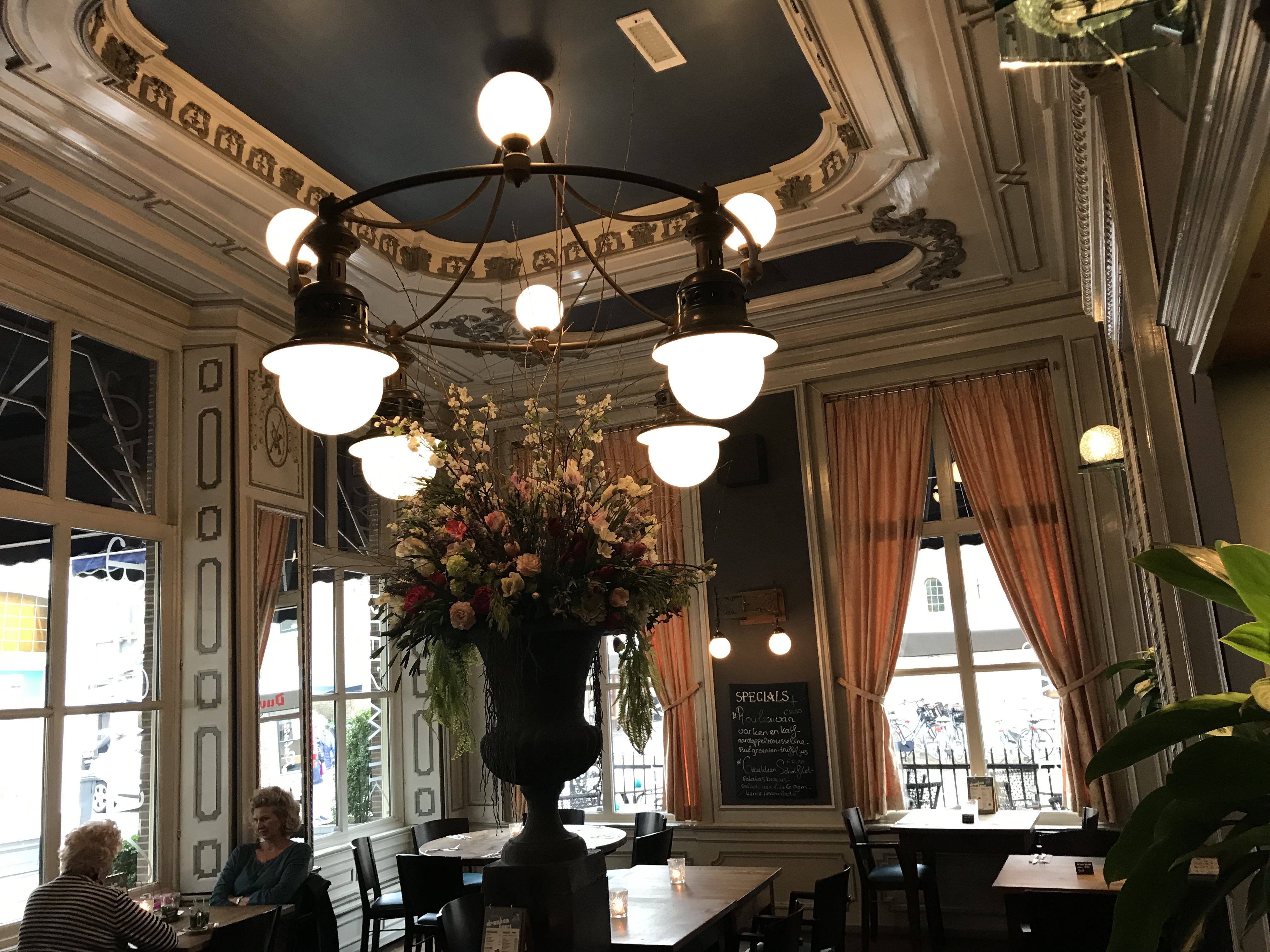
I didn’t manage to eat a traditional smoked herring because i’m not much of a fish eater, but I had a lovely meal at the local café by the name of Van Bleiswijk. Originally this “grand-café” was owned by Hugo Adriaen Van Bleiswijk, who was mayor of Enkhuizen from 1835 to 1868. He came from a highly privileged family and had no need to work, yet governing was his calling. Hugo Adriaen never had any offspring, so when he passed the home was property to the city. It’s special to think that even a man who didn’t necessarily require a job put himself out and helped his fellow citizens by becoming mayor for 33 years. It shows once again the Dutch spirit and the devotion that people invested in a land that they knew had so much potential.
 Amsterdam to Brussels